Why you should use a shot timer.

Published on February 22, 2021
Duration: 32:34

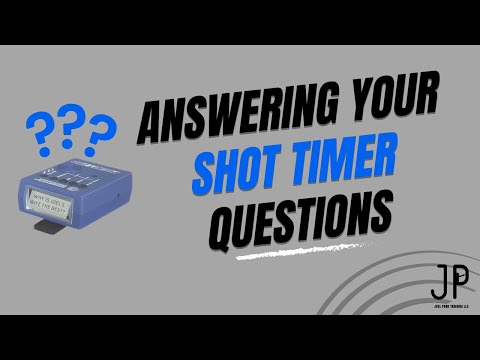
This video emphasizes the critical role of shot timers in developing professional-level firearm skills. Instructor Chris from Regular Guy Training explains how shot timers go beyond simply measuring overall time, allowing for detailed analysis of individual split times, draw strokes, and reloads. This data is crucial for identifying performance deficiencies, improving reaction times, and making informed decisions under pressure, ultimately leading to enhanced accountability and a higher standard of proficiency.

Quick Summary

Shot timers are vital for serious firearm training as they provide objective data on split times, draw speed, and reaction efficiency, enabling shooters to identify weaknesses and improve performance. By establishing personal time standards, they also aid in critical decision-making during self-defense scenarios, ensuring you know if you have sufficient time to act.

Chapters

  1. 00:00Introduction to Shot Timers
  2. 00:40Criticisms of Shot Timers Addressed
  3. 01:53Ego Boosters vs. Performance Drivers
  4. 02:13Static vs. Dynamic Measurement
  5. 03:08The 'Ego' Argument Debunked
  6. 03:50Types of Egos: Push to Action
  7. 04:34Healthy Ego and Motivation
  8. 05:35Unhealthy vs. Healthy Competition
  9. 06:22Mental Gymnastics and Excuses
  10. 07:23Quantifying Performance Measurements
  11. 07:46Beyond Overall Time: Individual Splits
  12. 08:35Diagnosing Deficiencies with Splits
  13. 09:08Speed in Professional Levels
  14. 10:06Establishing Personal Standards
  15. 10:44Speed and Decision Making
  16. 11:00Drill Example: 25 Yards, 10 Rounds
  17. 12:00Malfunction Clearance Under Pressure
  18. 13:00Time Management During Malfunctions
  19. 14:06Application to Real World Scenarios
  20. 14:19Force on Force Application
  21. 15:02Decision Making in a Fight
  22. 15:30Reloading Under Duress
  23. 17:23Improving Reaction Times
  24. 18:03Shot Timer as Threat Indicator
  25. 19:05Training in Low Light Conditions
  26. 19:44De-escalation Through Preparedness
  27. 21:17Personal Standards Evolution
  28. 21:51Environmental Effects on Performance
  29. 23:36Augmenting for Different Conditions
  30. 24:29Changing Gear/Clothing for Performance
  31. 24:44'Good Enough' is Not Good Enough
  32. 24:51Accountability Through Measurement
  33. 25:40Adding a Sense of Urgency
  34. 26:54Dealing with Shitty Humans
  35. 27:44Knowing if You're Improving
  36. 28:04Slow is Smooth vs. Slow is Slow
  37. 29:10Fast and Accurate = Good
  38. 29:29Vetting People and Instructors
  39. 30:50Technical vs. Tactical Training
  40. 31:21Personal Journey with Shot Timers
  41. 31:58Conclusion and Support

Frequently Asked Questions

Why are shot timers important for firearm training?

Shot timers are crucial because they provide objective, measurable data on performance. They allow shooters to analyze split times between shots, draw speed, reload efficiency, and reaction times, which is essential for identifying weaknesses and driving improvement beyond subjective feelings.

How do shot timers help with decision-making in self-defense?

By establishing personal time standards for various actions, a shot timer helps you know how long specific tasks take. This knowledge allows you to assess whether you have enough time to perform an action, like reloading or clearing a malfunction, based on the distance to a threat and available cover.

Can shot timers be used to improve reaction times?

Yes, shot timers can be set to provide auditory cues at specific intervals, training you to react to sound. This helps develop the habit of drawing your firearm and initiating action as soon as a threat cue is perceived, significantly reducing overall response time.

What is the difference between 'slow is smooth' and 'slow is slow' in shooting?

'Slow is smooth' implies that deliberate, controlled movements lead to accuracy. However, 'slow is slow' highlights that excessive slowness, even with good hits, is detrimental in a self-defense scenario. Professionals must be both fast and accurate, with shot timers helping to measure and improve both aspects.

How do shot timers promote accountability in training?

Shot timers remove subjective feelings from performance evaluation. When the timer shows a slow time, it forces the shooter to acknowledge the deficiency rather than relying on excuses, promoting a commitment to measurable improvement and accountability for their skill development.

More Training & Techniques Videos You Might Like

More from Regular Guy Training LLC

View all →