This video delves into the complexities of ballistics, particularly terminal ballistics, explaining the numerous variables that influence projectile behavior upon impact. The speaker, a former sniper and Green Beret, emphasizes that while internal and external ballistics can be calculated, terminal ballistics are inherently unpredictable due to factors like impact angle, tissue density, projectile spin rate, and engineering. The discussion highlights how modern ammunition engineering, including tumbling and frangible rounds, significantly impacts terminal performance, and stresses the importance of understanding these variables for accurate analysis.
This video explores the 7N6 'poison bullet,' a 5.45x39mm round designed for the AK-74. It details how its steel penetrator core, combined with unique geometry, causes extreme tumbling and yaw on impact, creating a large wound channel without fragmentation, thus technically avoiding classification as a prohibited expanding bullet under the Geneva Conventions. The video contrasts its performance with standard 5.45x39mm and 5.56 NATO rounds using ballistics gelatin and water jug tests, highlighting its effectiveness but also noting its corrosive nature and potential availability/price issues.
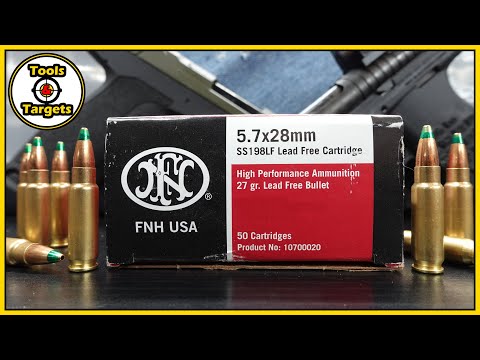
This video details a ballistic gel test of the FN SS198LF 5.7x28mm ammunition, specifically the 27-grain lead-free hollow-point projectile. The test includes velocity readings from different barrel lengths and performance analysis through a four-layer clothing barrier. The presenter, an experienced firearms instructor, notes the ammunition's high cost, LEO-only status, and performance characteristics including tumbling and limited penetration.
This guide details a ballistic gel testing procedure comparing PMC Bronze 55gr .223 and PMC X-Tac 62gr 5.56 Green Tip ammunition. The expert-level instruction covers setup, execution, and analysis of the tests, emphasizing bullet behavior like tumbling and fragmentation. The speaker, an experienced individual, highlights the commonality and affordability of these rounds for shooters, while also discussing their performance characteristics in gel.
This follow-up video tests the impact of bore condition on accuracy at 15 yards using a P38 pistol with interchangeable barrels. The experiment compares a pristine barrel to one with significant wear. While close-range differences were minimal in a previous test, this extended distance aims to reveal if bore quality significantly affects bullet stability and terminal impact.
This video provides a detailed ballistic gel test of three .22 WMR (22 Magnum) pistol ammunition types: CCI Maxi-Mag TNT, Speer TNT, and TNT Green. The tests, conducted from a 3-inch barrel pistol, evaluate bullet expansion, penetration, and fragmentation through ballistic gel and denim barriers. The presenter, an experienced firearms instructor, offers insights into the performance differences, particularly noting the tumbling behavior of the TNT Green round and the reliable expansion of the standard TNT variants.
This video debunks the myth that 5.56 NATO bullets tumble end-over-end in flight, explaining that tumbling is primarily an effect that occurs upon impact, especially with older rifling twist rates and lighter bullets. The discussion highlights how rifling twist rates, such as 1:12, 1:7, and 1:8, affect bullet stability in flight and upon impact, particularly with different bullet weights like 55, 62, and 77 grains. It clarifies that while a slow twist rate (1:12) with lighter bullets might lead to yawing or keyholing upon impact, the bullet itself does not tumble in the air.
This video from Iraqveteran8888, featuring Eric, delves into the performance of various calibers when fired through brush. The expert-level analysis highlights that bullet mass is the most critical factor for reliable performance, with slower, heavier projectiles being less susceptible to deflection and tumbling than lighter, faster rounds. The testing provides valuable insights for hunters and shooters operating in dense environments.
This video details a ballistics gel test of Golden Tiger 5.45x39 FMJ ammunition fired from an Arsenal SGL-31 AK rifle. The test reveals the ammunition's performance characteristics, including penetration depth, bullet tumbling behavior, and wound channel creation. The presenter notes the distinctive pink sealant and bi-metal copper-washed jacket of the ammunition.
You've reached the end! 9 videos loaded.
Gun Laws by State
Read firearms regulations for all 50 states + D.C.
Find Gun Dealers
Search licensed FFL dealers near you.