This video provides an in-depth comparison of the M995 and M855A1 5.56mm rounds, showcasing their performance against various steel plates and concrete. The M995, featuring a tungsten carbide penetrator, demonstrates significantly superior penetration capabilities compared to the M855A1, especially against hardened steel targets. The host, from Banana Ballistics, highlights the M995's effectiveness and its high cost.
This video explores the performance of custom Tungsten Carbide Sabot (SLAP) rounds fired from a PSA Sabre-10 .308 rifle. The experiment involved testing these rounds against AR500 Level 3 and Level 3+ armor plates, with mixed results. The SLAP rounds successfully penetrated the Level 3 plate but tumbled and failed against the Level 3+ plate due to instability in the .308 barrel.
This video showcases an extremely small tungsten carbide thread mill being used to cut threads on a BFG-50A trunnion. The creator highlights the minuscule size of the tool and expresses a sense of apprehension while using it, inviting viewers to share if they've encountered even smaller tools. The content focuses on a specific machining operation relevant to firearms manufacturing or modification.
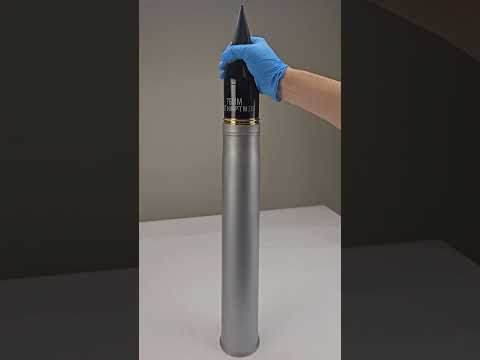
This video compares Chinese and Ukrainian rifling buttons for home shop use. Mark Serbu tests both buttons on 12L14 steel blanks, noting the Chinese button is tungsten carbide with TiN coating and produced 4 grooves, while the Ukrainian button is a combination type and produced 6 grooves. Both buttons performed successfully for DIY applications, though further testing with better barrel materials is planned.
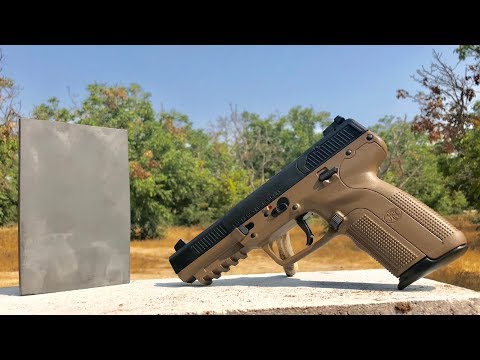
This video tests the 'bulletproof' claims of tungsten carbide against firearms, specifically the FN 5.7. Contrary to expectations, a 5mm tungsten carbide plate shattered explosively when hit by the FN 5.7, demonstrating extreme brittleness despite its hardness. In contrast, a 5mm steel plate only sustained minor damage from the same round and even heavier calibers like .357 Magnum and 10mm Auto, proving more resilient in this ballistic test.
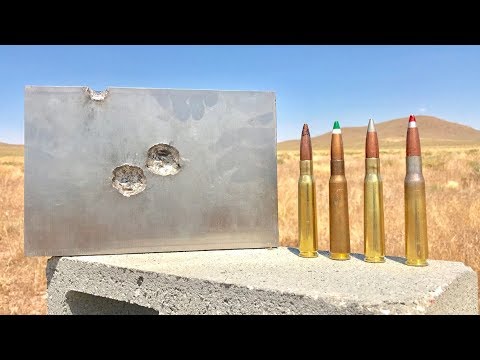
This destructive testing video pits a .50 caliber Armor Piercing (Black Tip) round and a Raufoss Mk 211 (Green Tip) against a titanium plate at a 90-degree angle. The Raufoss Mk 211, featuring a tungsten carbide penetrator, achieved significantly deeper penetration than the standard AP round. The test highlights the extreme danger of shooting titanium directly, causing a fire due to the ammunition's incendiary components.
This video showcases the impressive speed and effectiveness of a super-expensive tungsten carbide, through-coolant drill bit being used to create firing pin holes in BFG-50 bolt heads. The description highlights the difficulty of drilling high-strength alloy steel and uses a humorous analogy of being accused of witchcraft if this technology were shown centuries ago. The drill's performance is presented as almost unbelievable due to its speed and capability on tough materials.
You've reached the end! 7 videos loaded.
Gun Laws by State
Read firearms regulations for all 50 states + D.C.
Find Gun Dealers
Search licensed FFL dealers near you.