Anti-Federalist 12 WARNED Us About Government Taxing Power

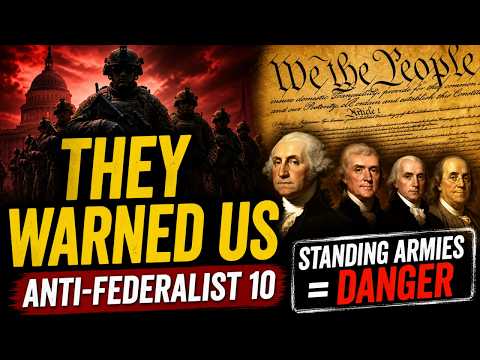
This video delves into Anti-Federalist Paper No. 12, highlighting its critical warnings about the dangers of unchecked government taxing power and its direct relevance to the Second Amendment. The speaker, Jared from Guns & Gadgets, emphasizes that taxation is not merely about revenue but about control, and that excessive taxing power can fund the machinery of tyranny, including standing armies, which the founders sought to prevent. The analysis connects historical concerns about centralized authority to modern debates on gun control, arguing that financial burdens can be used to price rights out of reach, effectively denying them to ordinary citizens. The core message is that liberty is preserved through constitutional structure, divided power, and a vigilant citizenry, underscoring the Second Amendment's role as a structural protection for liberty.

Quick Summary

Anti-Federalist 12 warns that unchecked government taxing power grants not just revenue, but significant power and independence from the people. This can fund the expansion of government, including enforcement and armies, potentially threatening liberties like the right to bear arms. Historically, this power was seen as a tool for tyranny, and modern financial burdens on rights are viewed as a continuation of this concern.

Chapters

  1. 00:00Introduction: Government Power and Taxation
  2. 01:03Guns & Gadgets Channel Introduction
  3. 01:42Focus on Anti-Federalist 12 and Taxation
  4. 02:07Taxation as Control, Not Just Money
  5. 02:35The Heart of Anti-Federalist 12: Fear of Restraint
  6. 02:57The Power to Tax Funds Everything Else
  7. 03:16Taxation's Link to the Second Amendment
  8. 03:48The Engine of Tyranny: Taxation and Enforcement
  9. 04:22Federalist Response vs. Anti-Federalist Question
  10. 05:31Modern Gun Control as Financial Burden
  11. 06:25A Right Priced Out of Reach is a Privilege
  12. 07:09The Tendency of Power to Expand
  13. 08:02Consolidation of Power and Federalism
  14. 09:21Taxation as Fuel for Government Action
  15. 10:00The Language of Government vs. Liberty
  16. 10:28Constitutional Skepticism and the Second Amendment
  17. 10:41The Interconnectedness of Liberty
  18. 11:09Constitutional Structure Before Crisis
  19. 11:41Were the Anti-Federalists Paranoid or Prophetic?
  20. 12:14Learning from Anti-Federalist 12 Today
  21. 12:40Conclusion: Sovereignty and Liberty
  22. 13:17Final Thoughts and Call to Action

Frequently Asked Questions

What is the main warning from Anti-Federalist 12 regarding government power?

Anti-Federalist 12 warns that granting a central government unlimited taxing power is not just about revenue, but about granting significant power and independence from the people. This unchecked authority can fund the expansion of government, including enforcement agencies and armies, potentially leading to a situation where the people need the Second Amendment to resist.

How does Anti-Federalist 12 relate to the Second Amendment?

The paper connects taxing power to the Second Amendment by explaining how excessive government funding can lead to the creation of institutions and enforcement mechanisms that could threaten individual liberties, including the right to bear arms. Historically, the fear was that a powerful central government could fund a standing army to suppress the populace, making an armed citizenry essential for liberty.

Can government use financial power to restrict rights, according to the Anti-Federalist perspective?

Yes, the Anti-Federalist perspective suggests that if a government cannot directly destroy a right, it may attempt to 'price it out of reach' through financial burdens like taxes, fees, and licenses. This effectively denies the right to ordinary citizens, turning it into a privilege only the wealthy can afford, which is contrary to the intent of rights like the Second Amendment.

Why is constitutional structure important according to the Anti-Federalists?

The Anti-Federalists emphasized constitutional structure because they believed power has a natural tendency to expand. They argued for explicit limits and divided sovereignty to create barriers against the abuse of power before crises arise. Waiting until power is abused is often too late, as the governmental machinery will already be in place.

Related News

All News →

More 2nd Amendment & Law Videos You Might Like

More from Guns & Gadgets 2nd Amendment News

View all →