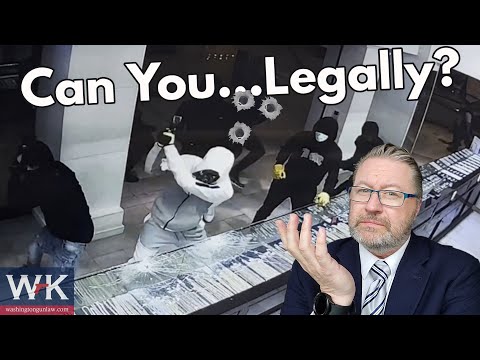
Can I Really Shoot and Unarmed Attacker in Self Defense?

William Kirk, President of Washington Gun Law, provides an expert legal analysis on when it is permissible to use lethal force against an unarmed attacker. He emphasizes that legality hinges on the objective and subjective reasonableness of the threat, focusing on the principles of necessity, reasonableness, and proportionality. The discussion highlights 'disparity of force' and non-traditional threats as key factors in justifying lethal force, distinguishing legal rights from tactical decisions.

Quick Summary

It can be legal to shoot an unarmed attacker if their actions create an imminent threat of death or serious bodily injury, considering factors like 'disparity of force' (significant differences in size, strength, or number) and the context of the attack. The use of force must also be necessary, reasonable, and proportional to the threat. This is a complex legal determination based on specific circumstances.

Chapters

  1. 00:00Introduction to Unarmed Self-Defense
  2. 01:19The Three Pillars of Self-Defense
  3. 02:39Lethal Force Threshold
  4. 03:42Disparity of Force
  5. 04:53Non-Traditional Lethal Weapons
  6. 05:48Four Justifications for Lethal Force
  7. 07:24Legal Rights vs. Tactical Decisions

Frequently Asked Questions

When is it legal to shoot an unarmed attacker?

It can be legal to shoot an unarmed attacker if their actions create an imminent threat of death or serious bodily injury, considering factors like 'disparity of force' (significant differences in size, strength, or number) and the context of the attack. The use of force must also be necessary, reasonable, and proportional to the threat. This is a complex legal determination based on specific circumstances.

What is 'disparity of force' in self-defense law?

Disparity of force refers to situations where an attacker's physical advantages (like size, strength, age, or number) over the defender are so significant that they create a reasonable fear of death or serious bodily injury, even if the attacker is unarmed. This can justify the defender's use of lethal force.

What are the key legal requirements for using force in self-defense?

The use of force in self-defense must meet three criteria: necessity (it must be required to prevent harm), reasonableness (objectively and subjectively perceived as necessary), and proportionality (the force used must not be excessive compared to the threat). Failure to meet these can result in legal consequences.

Can non-traditional items be considered lethal threats?

Yes, items not designed as weapons can pose a lethal threat if used aggressively. Examples include a vehicle used to run someone over or tools like zip ties implying a severe felony like kidnapping, which can justify a lethal response under self-defense laws.

More 2nd Amendment & Law Videos You Might Like

More from Washington Gun Law

View all →