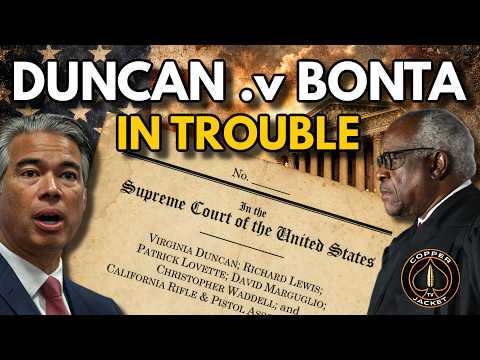
SCOTUS HATES This Trick: California’s “No Split” Spin

Published on December 11, 2025
Duration: 1:28

The video discusses the concept of a 'circuit split' in legal arguments before the Supreme Court, particularly in the context of Second Amendment cases. It explains that circuit splits, where different federal appellate courts have reached conflicting decisions on the same legal issue, are a primary reason for the Supreme Court to grant certiorari and hear a case. The speaker clarifies that while there might not be a direct circuit split on the constitutionality of magazine bans themselves, there are multiple splits on sub-issues crucial to Second Amendment interpretation, such as whether certain items (like suppressors or bump stocks) are considered 'arms' or if proper historical analogs exist to justify modern firearm regulations.

Quick Summary

Circuit splits, where federal appellate courts conflict on a legal issue, are a key factor for the Supreme Court granting certiorari. In Second Amendment cases, splits on defining 'arms' or historical analogs can compel SCOTUS review, even if a direct split on a ban itself is absent. This legal nuance is crucial for understanding how gun rights cases reach the highest court.

Chapters

  1. 00:00Introduction to Circuit Splits
  2. 00:07SCOTUS and Case Selection
  3. 00:21Why Circuit Splits Matter to SCOTUS
  4. 00:41Splitting Hairs: Magazine Bans vs. Sub-Issues
  5. 00:50Sub-Issues: Arms, Suppressors, Bump Stocks
  6. 01:04Historical Analogs and Legal Methodology
  7. 01:19Artful Dodging and Resolving Splits

Frequently Asked Questions

What is a circuit split and why is it important for the Supreme Court?

A circuit split occurs when different federal appellate courts issue conflicting rulings on the same legal issue. These splits are a primary reason the Supreme Court grants certiorari, as the Court's role includes resolving such disagreements to ensure uniform application of federal law across the nation.

How do circuit splits relate to Second Amendment cases?

In Second Amendment cases, circuit splits often arise from differing interpretations of what constitutes 'arms' protected by the amendment or the proper legal methodology for assessing historical analogs to justify modern firearm regulations. These splits make a case more compelling for the Supreme Court to hear.

Can a case be taken by SCOTUS even if there isn't a direct split on the main issue?

Yes, the Supreme Court may still take a case if there are circuit splits on crucial sub-issues that are integral to the broader legal question. For instance, disagreements on whether certain accessories are 'arms' can lead to Supreme Court review, even if the core issue of a ban itself hasn't seen a direct split.

What is meant by 'artful dodging' in legal arguments regarding circuit splits?

'Artful dodging' refers to a legal strategy where a party attempts to downplay or deny the existence of a circuit split, even when multiple conflicting rulings exist on related sub-issues. This tactic aims to prevent the Supreme Court from taking jurisdiction by suggesting there is no fundamental disagreement needing resolution.

Related News

All News →

More 2nd Amendment & Law Videos You Might Like

More from CRPA TV

View all →