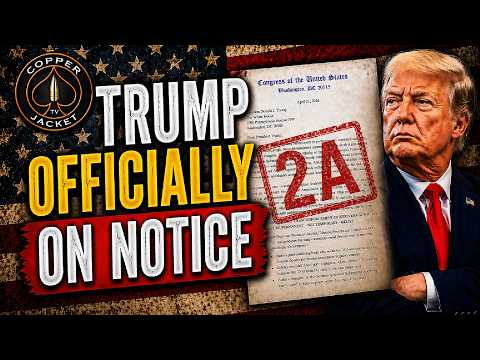
This Will Change The 2nd Amendment FOREVER

Published on April 22, 2024
Duration: 6:28

The Supreme Court has agreed to hear Vandersloot v. Garland, a significant Second Amendment case challenging the ATF's final rule on frames and receivers. This case could fundamentally alter the ATF's rulemaking authority and the definition of what constitutes a firearm. A favorable outcome could overturn current ATF regulations and impact state-level bans, while an unfavorable outcome would solidify the ATF's broad regulatory power.

Quick Summary

The Supreme Court is hearing Vandersloot v. Garland, a critical Second Amendment case challenging the ATF's final rule on frames and receivers. This case could fundamentally alter the ATF's rulemaking authority and the definition of firearms, potentially overturning current regulations and impacting state laws.

Chapters

  1. 00:04Supreme Court to Hear Major 2A Case
  2. 00:16Sponsor: DeleteMe Online Privacy Service
  3. 01:18Vandersloot v. Garland Case Details
  4. 01:52ATF's Rulemaking Authority Challenged
  5. 02:35Potential Impact: Bigger Than Bruen?
  6. 02:51Key Questions for the Supreme Court
  7. 03:55Favorable Outcome Implications
  8. 04:36Anticipating a Negative Outcome
  9. 05:12Supreme Court Case Selection Process
  10. 06:06Final Thoughts on 2A Cases

Frequently Asked Questions

What is the Vandersloot v. Garland case about?

Vandersloot v. Garland is a Second Amendment case before the Supreme Court challenging the ATF's final rule on frames and receivers. It questions the definition of a firearm and the ATF's authority to create such rules.

How could Vandersloot v. Garland impact the ATF?

This case could significantly limit or redefine the ATF's ability to create rules and definitions by interpreting existing law. The future of the ATF's rulemaking power, especially concerning firearm classifications, is at stake.

What are the potential outcomes of Vandersloot v. Garland?

A favorable ruling could overturn the ATF's current frames and receivers rule and impact other existing regulations. An unfavorable ruling would likely solidify the ATF's broad regulatory authority.

Why is Vandersloot v. Garland considered a major Second Amendment case?

It's considered major because it directly challenges the ATF's interpretation and rulemaking power regarding firearm definitions. The outcome could have nationwide implications for gun laws and regulations, potentially altering the Second Amendment landscape.

Related News

All News →

More 2nd Amendment & Law Videos You Might Like

More from Copper Jacket TV

View all →