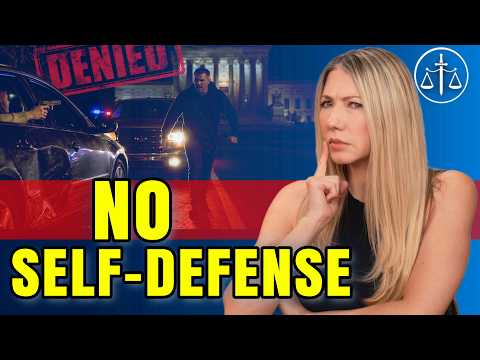
You Can't Get A Concealed Carry Permit ANYMORE Because Of...

Published on April 14, 2023
Duration: 15:19

This video, featuring an expert from the Artemis Defense Institute, discusses the ongoing legal challenges to obtaining concealed carry permits, particularly in California. It highlights the impact of the Bruen decision, the unconstitutionality of 'good cause' requirements, and the ambiguity of 'good moral character' clauses. The discussion includes the Ellis v. Bonta lawsuit as a case study on challenging these requirements.

Quick Summary

The difficulty in obtaining concealed carry permits, especially in states like California, stems from previous laws allowing arbitrary discretion and ongoing legal battles over vague requirements like 'good moral character.' The Bruen decision invalidated 'good cause' requirements, pushing the focus onto other subjective criteria that are now being challenged.

Chapters

  1. 00:00Introduction to Legal Challenges
  2. 00:18USCCA Giveaway Promotion
  3. 00:38California CCW Laws Overview
  4. 01:08Impact of Bruen Decision
  5. 02:43Methods of Exercising Second Amendment
  6. 03:41Non-Onerous Permit Requirements
  7. 04:36California Penal Code 26150 Analysis
  8. 06:14Defining Good Moral Character
  9. 07:47Ellis v. Bonta Lawsuit
  10. 09:05Norm Ellis's Background & Denial
  11. 10:33Legal Strategy and Outcome
  12. 12:53Consequences and Future Challenges
  13. 13:42Burden of Proof for Permit Denials
  14. 14:46Conclusion and Contact

Frequently Asked Questions

Why is it difficult to get a concealed carry permit in some states like California?

California's previous concealed carry laws allowed sheriffs arbitrary discretion. While the Bruen decision struck down 'good cause' requirements, challenges remain regarding vague clauses like 'good moral character', which are being contested legally.

What is the significance of the Bruen decision for concealed carry permits?

The Supreme Court's Bruen decision clarified that the Second Amendment protects an individual's right to carry firearms publicly for self-defense. It effectively made the US a 'shall issue' country, meaning permits must be issued if the applicant meets objective criteria, invalidating 'good cause' requirements.

What is the 'good moral character' requirement for CCW permits, and why is it controversial?

The 'good moral character' clause in some CCW laws lacks objective standards, leading to subjective interpretations and potential discrimination. Legal experts argue this ambiguity makes it an unconstitutional barrier to exercising Second Amendment rights.

What was the outcome of the Ellis v. Bonta lawsuit?

The Ellis v. Bonta lawsuit challenged the 'good moral character' requirement for a CCW permit. Although the case was filed, the Sheriff's Department issued the permit to Norm Ellis shortly before trial, mooting the case but highlighting the legal pressure on such clauses.

Related News

All News →

More 2nd Amendment & Law Videos You Might Like

More from USCCA

View all →