Getting the Spouse into Carrying Concealed

Published on October 31, 2018
Duration: 24:39

This guide, drawing on insights from John Lovell of Warrior Poet Society, outlines a four-pillar approach to introducing a spouse to concealed carry: making it important, fun, easy, and doable. It emphasizes a gradual, relationship-focused process, recommending practical tips like 'micro-plans' for home defense, fun range dates, and appropriate gear like the Glock 43 with a Tier 1 Concealed Axis Slim holster. The advice highlights the importance of outsourcing formal training to avoid domestic friction and ensure effective learning.

Quick Summary

John Lovell of Warrior Poet Society suggests a four-pillar approach to introducing a spouse to concealed carry: make it important, fun, easy, and doable. This involves framing range time as fun dates, using 'micro-plans' for defense scenarios, and recommending suitable gear like the Glock 43 with a beltless holster. Outsourcing formal training is also advised for better results.

Chapters

  1. 01:20Introduction and Goals
  2. 02:33The Spouse's Journey
  3. 04:15Mindset and Vulnerability
  4. 05:06Micro-Planning for Home Defense
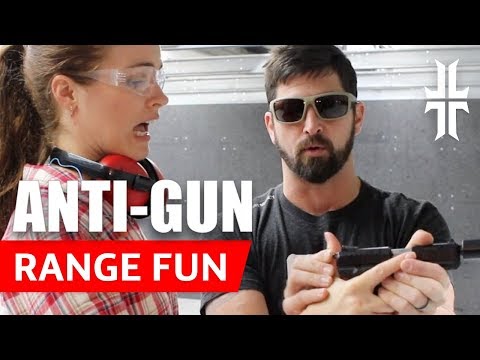
  5. 07:32Making Range Time Fun
  6. 09:28Equipment and Recoil Management
  7. 11:12Mrs. Poet's EDC Setup
  8. 12:24Outsourcing Training

Frequently Asked Questions

How can I make concealed carry training fun for my spouse?

Frame range trips as enjoyable date nights rather than intense training sessions. Focus on positive experiences and keep sessions short, around 30 minutes, to maintain engagement and avoid burnout.

What is the best first firearm for a spouse new to concealed carry?

For beginners, it's recommended to start with a smaller caliber on a larger frame, like a .22 LR, to minimize felt recoil. This helps prevent new shooters from being intimidated or traumatized by high-recoil firearms.

Why is outsourcing formal firearms training recommended?

Spouses often face challenges learning from each other due to relational dynamics. Sending a spouse to a professional class ensures they receive high-quality instruction without domestic friction, leading to better retention and a more positive learning experience.

What are 'micro-plans' for home defense?

'Micro-plans' are short, 2-5 minute discussions about specific defensive scenarios, such as what to do if someone kicks in the door. This method builds preparedness gradually without overwhelming the spouse with lengthy training sessions.

Related News

All News →

More EDC & Lifestyle Videos You Might Like

More from Warrior Poet Society

View all →