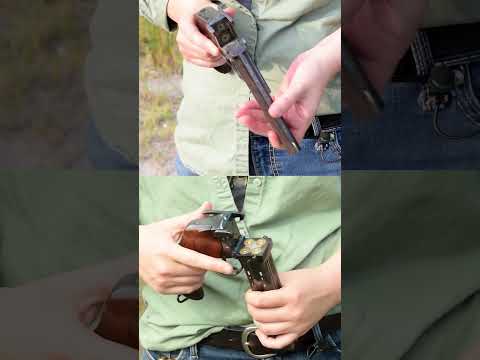
Revolver 102: Basic Terminology | C&Rsenal

Published on July 9, 2024
Duration: 40:40

This video establishes a unified lexicon for revolver terminology, addressing the historical inconsistency in naming parts. The instructor, an apparent expert in firearms history and mechanics, meticulously defines components from basic actions (single/double) and frame types to intricate lockwork mechanisms like the 'dog', 'sprag', and 'transfer arm'. It also covers cylinder indexing, safety features, and loading/unloading systems, aiming to make revolver comparisons and discussions more consistent and understandable for enthusiasts.

Quick Summary

A universal revolver dictionary is needed due to inconsistent terminology across manufacturers and authors, causing confusion. This video establishes a unified lexicon for parts like the hammer, cylinder, hand, ratchet, and safety mechanisms, aiming for clearer comparisons and discussions of revolver designs.

Chapters

  1. 00:00Introduction: The Need for Unified Terminology
  2. 00:42Comparison to Other Firearms Terminology
  3. 01:41Common Revolver Terms vs. Specifics
  4. 03:53The Universal Revolver Dictionary
  5. 04:42Basic Actions: Single vs. Double Action
  6. 04:54Frame Types: Solid, Open Top, Top Break
  7. 05:16The Grip and Stock Plates
  8. 05:44Side Plate Explained
  9. 06:02Hammer Actuation and Firing Pin
  10. 06:24Trigger and Sear Interaction
  11. 06:57Mainspring and Other Springs
  12. 07:38The Stirrup Component
  13. 07:53Cylinder, Ratchet, and Hand
  14. 08:51Hand vs. Pawl Controversy
  15. 09:14Cylinder Stop and Locking Bolt
  16. 09:36Cylinder Stops and Locking Bolt Notches
  17. 10:43Preventing Counter-Rotation
  18. 11:22The Arbor: Cylinder's Central Pin
  19. 11:50Double Action Linkages: The Dog
  20. 13:18Hammer Nose vs. Dog
  21. 14:15The 'Dog' Component: A Universal Term
  22. 15:06Counter-Rotation Explained
  23. 16:01Loading Gate and Sprag Function
  24. 16:43The Sprag: Limiting Rotation
  25. 16:59Hammer Positions: Fired, Rebounded, Half-Cock
  26. 17:56Half-Cock vs. Rebound Confusion
  27. 18:43Automatic Rebounders
  28. 19:32Dedicated Hammer Blocks
  29. 20:36Internal Hammer Blocks
  30. 21:43Smith & Wesson K-Frame Hammer Blocks
  31. 23:07The Fauche Patent Rebound/Block System
  32. 24:22The Transfer Arm: A New Name
  33. 25:00Grooved Indexing Revolvers
  34. 26:30Single vs. Double Action Nuances
  35. 29:09Hesitation Lock Explained
  36. 29:25Loading and Unloading: Muzzle Loaders
  37. 30:08Percussion Caps and Nipples
  38. 30:10Loading Gate Revolvers
  39. 30:39The Abid System for Rapid Loading
  40. 31:15Swing-Out Cylinder Systems
  41. 31:30Extractor vs. Ejector Rod
  42. 32:01The Crane Component
  43. 32:10Auto-Extractors
  44. 32:33The Lifter and Chalk
  45. 33:40Latches and Catches
  46. 34:28Dual Function Components
  47. 34:53Other Loading/Unloading Methods
  48. 36:09Combined Loading Systems
  49. 36:42Conclusion and Future Lexicon

Frequently Asked Questions

What is the primary reason for creating a universal revolver dictionary?

The primary reason is the historical inconsistency in terminology used to describe revolver parts. Different manufacturers and authors have used varying names for functionally similar components, leading to confusion. Establishing a unified lexicon aims to make discussions and comparisons of revolver designs more consistent and understandable.

What are the key differences between single-action and double-action revolvers?

In a single-action revolver, the hammer must be manually cocked before the trigger can be pulled to fire. In a double-action revolver, pulling the trigger performs both the cocking of the hammer and the firing of the weapon, allowing for rapid follow-up shots.

What is the function of the 'hand' and 'ratchet' in a revolver's cylinder mechanism?

The 'ratchet' is a set of teeth located at the rear of the cylinder. The 'hand' is a lever that engages these teeth, rotating the cylinder to align the next chamber with the barrel each time the trigger or hammer is operated.

What is a 'sprag' in the context of revolvers?

A 'sprag' is any mechanism designed to prevent the cylinder from rotating in the reverse direction (counter-rotation). This is crucial for preventing issues like feeding empty casings or misaligning rounds during firing or handling.

What is the purpose of a 'hammer block' safety mechanism?

A hammer block is a safety feature designed to prevent the hammer from striking the primer, even if the firearm is accidentally dropped. It acts as a physical barrier, ensuring the hammer cannot reach the primer unless the firearm is intentionally fired.

Related News

All News →

More General Videos You Might Like

More from C&Rsenal

View all →