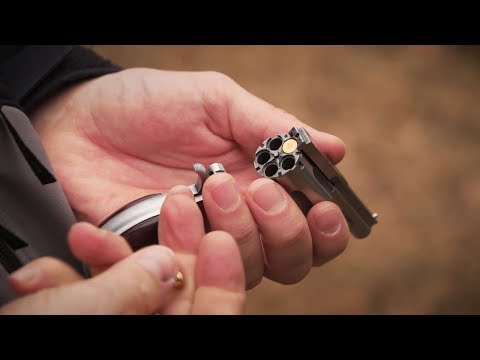
Tom Gresham's GUNTALK: 7.12.15 - The After Show

Published on July 17, 2015
Duration: 29:09

This episode of Gun Talk's After Show features discussions on ammunition manufacturing quality control at Black Hills Ammunition, highlighting meticulous inspection processes. The hosts also delve into the historical context of firearm non-compliance, referencing events like Wounded Knee and Ruby Ridge, and discuss current political implications for gun owners. Practical advice is given on ammunition stockpiling, the differences between 5.56 and .223 ammunition, and the importance of choosing trusted ammo manufacturers due to pressure testing and proof load considerations.

Quick Summary

Black Hills Ammunition employs rigorous quality control, inspecting 100% of cartridges for defects. Historically, firearm non-compliance has led to severe consequences, as seen at Wounded Knee and Ruby Ridge. 5.56mm ammunition can produce significantly higher pressures than .223 Remington, requiring careful firearm compatibility checks.

Chapters

  1. 00:08After Show Intro & Black Hills Ammo Visit
  2. 00:31Quality Control at Black Hills Ammunition
  3. 01:35Ammunition Inspection Process
  4. 03:03Gun Cleaning with Slip 2000
  5. 04:47The Gun.de.o App Explained
  6. 07:33The 'Will Not Comply' Movement
  7. 08:17Historical Non-Compliance: Wounded Knee
  8. 09:13Historical Non-Compliance: Ruby Ridge
  9. 10:56Ammunition Numbers & Compliance
  10. 13:01Political Engagement for Gun Owners
  11. 15:36Ammunition Prices & Buying Habits
  12. 19:355.56 vs .223 Ammunition Pressure
  13. 20:17Testing Ammo in Extreme Heat
  14. 21:25Competitor Ammo Pressure Testing
  15. 22:31Choosing Trusted Ammunition Brands
  16. 23:13Future Ammunition Testing Ideas
  17. 24:06Advanced Military Ammunition Tech
  18. 25:42First Person Defender Series
  19. 26:44Ankle Holster Review
  20. 28:26Closing & Gun.de.o App Reminder

Frequently Asked Questions

What kind of quality control measures are used at Black Hills Ammunition?

Black Hills Ammunition utilizes a meticulous quality control process where 100% of cartridges undergo visual inspection by trained personnel to identify any defects in appearance, crimp, or overall construction, ensuring high standards for their ammunition.

What are the historical implications of firearm non-compliance in the US?

Historically, non-compliance with firearm laws in the US has led to tragic events like Wounded Knee and Ruby Ridge. These incidents highlight the severe consequences that can arise when individuals resist government confiscation or regulation of firearms.

How does 5.56mm ammunition differ from .223 Remington in terms of pressure?

5.56mm ammunition can generate pressures up to 10,000 PSI higher than the SAAMI specification for .223 Remington. This means that while 5.56mm is a more powerful round, firearms chambered only for .223 Remington may not be safe to use with all 5.56mm ammunition.

What is the purpose of testing ammunition in extreme heat conditions?

Testing ammunition in extreme heat, up to 300°F, simulates conditions like sustained full-auto fire where a firearm's chamber becomes intensely hot. This ensures that the ammunition's powder and components remain stable and reliable, preventing dangerous pressure spikes or failures.

More General Videos You Might Like

More from Gun Talk Media

View all →