Anvil 013: Rust Bluing on the Cheap

Published on August 7, 2020
Duration: 54:10

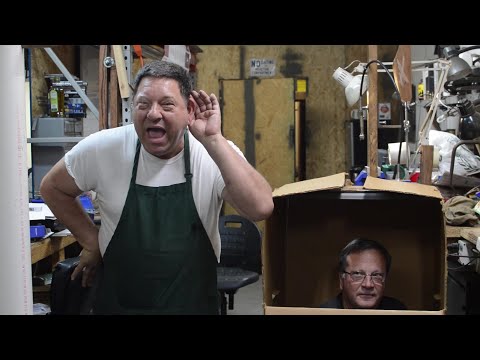
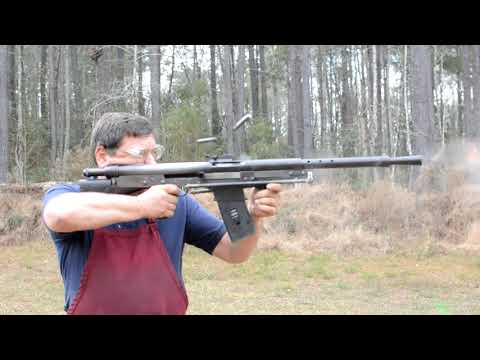
Mark Novak and Bob demonstrate a cost-effective DIY rust bluing technique for firearms, focusing on replicating an original armory finish. The process involves careful cleaning, controlled oxidation via steaming and humidity, carding to remove loose oxide, and final finishing. This method is ideal for preserving historical integrity while preventing further corrosion.


Quick Summary

Learn a cost-effective DIY rust bluing technique to restore a firearm's original armory finish. The process involves cleaning, controlled oxidation via steaming and humidity, carding to remove loose oxide, and final finishing with kerosene. This method prioritizes historical integrity and corrosion prevention.

Chapters

  1. 00:00Introduction to Rust Bluing Project
  2. 00:47Rifle Inspection and Condition
  3. 03:19Disassembly Process
  4. 06:02Metal Preparation and Cleaning
  5. 11:59DIY Steaming and Conversion
  6. 14:43Applying Bluing Solution and Humidity Box
  7. 19:44Final Carding and Oiling
  8. 22:45Stock Repair and Reassembly

Frequently Asked Questions

What is the primary goal of the DIY rust bluing process shown in the video?

The primary goal is to achieve a functional restoration and replicate the original armory finish on a firearm, rather than making it look brand new. This method focuses on preserving historical integrity while preventing further corrosion.

How is the rust converted to a protective black oxide finish in this DIY method?

The process involves controlled rusting, followed by steaming the metal parts for 10-15 minutes to convert red rust (ferric oxide) into black oxide (ferro-ferric oxide), which is then carded off.

What tools are used for the DIY rust bluing steaming apparatus?

A low-cost steaming rig can be made from readily available materials, including a white PVC pipe standing over a turkey fryer pot with a gas burner for heat.

What is a "humidity box" and how is it used in rust bluing?

A DIY humidity box, often made from a wardrobe box, a vaporizer, and a ceramic heater, is used to accelerate the rusting process. The metal is heated above the dew point before introducing steam to ensure a uniform reaction without water spotting.

Related News

All News →

More Gunsmithing & DIY Videos You Might Like

More from Mark Novak

View all →