Anvil 075: 1911 Conserve and Reassemble

Published on October 13, 2020
Duration: 25:05

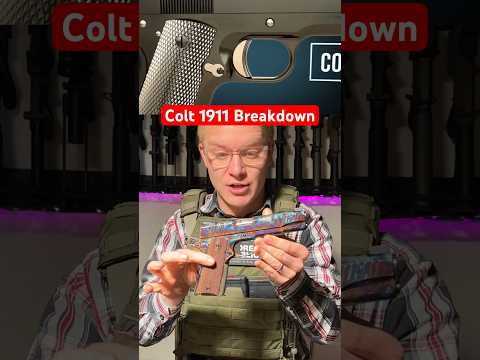
This video details the conservation and reassembly of a 1943 Ithaca 1911 pistol. Mark Novak emphasizes proper firearm handling safety and provides a comprehensive breakdown of the pistol's components. The conservation process involves boiling parts to convert rust to black oxide and clean cosmoline, while reassembly highlights critical areas like trigger fitting and safety spring tuning.

Quick Summary

The 1911's inertial firing pin design ensures drop safety. The pin is shorter than its channel and spring-loaded, requiring a high-velocity hammer strike to overcome resistance and ignite a primer, preventing accidental discharge from drops.

Chapters

  1. 00:00Introduction: 1943 Ithaca 1911 Conservation
  2. 00:39Safety Rules & Initial Disassembly
  3. 02:15Full Component Breakdown & Identification
  4. 04:01Firing Pin Safety Comparison (Series 70 vs 80)
  5. 06:48Conservation Boiling Process
  6. 08:31Grip Bushing Maintenance Warning
  7. 09:17Magazine Release Assembly Details
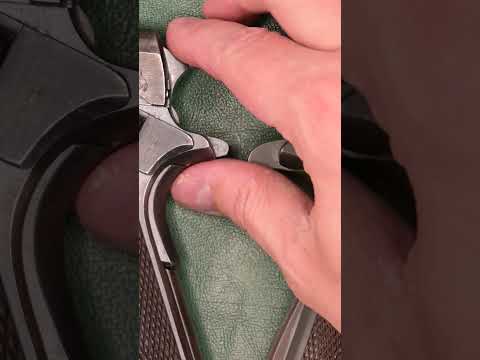
  8. 11:19Trigger Fitting and Inspection
  9. 15:11Safety Features & Sear Spring Function
  10. 16:55Inertial Firing Pin Mechanics Explained
  11. 18:53Reassembly, Testing & Range Fire

Frequently Asked Questions

What is the conservation boiling process for firearms?

The conservation boiling process involves submerging firearm parts in boiling water, often using a modified deep fryer. This method effectively converts red rust to black oxide, removes old oils and cosmoline, and cleans components without damaging the temper of springs.

How does the 1911's firing pin ensure drop safety?

The 1911 features an inertial firing pin design. The firing pin is shorter than its channel and held back by a spring. This means only a direct, high-velocity strike from the hammer can overcome the spring tension to ignite a primer, making the firearm drop-safe.

What are the critical safety rules for handling firearms?

Mark Novak emphasizes three key firearm handling rules: 1. Get the weapon from the customer quickly. 2. Keep your finger off the trigger. 3. Assume all muzzleloaders are loaded. These rules are paramount for safe firearm interaction.

Why should staked grip bushings on a 1911 not be removed lightly?

Staked grip bushings on the thin frame of a 1911 are prone to cross-threading if removed improperly. Repairing stripped threads requires specialized gunsmithing taps, making it advisable to leave them intact unless absolutely necessary and skilled.

Related News

All News →

More Gunsmithing & DIY Videos You Might Like

More from Mark Novak

View all →