Arex Rex Zero 1

Published on January 8, 2018
Duration: 35:33

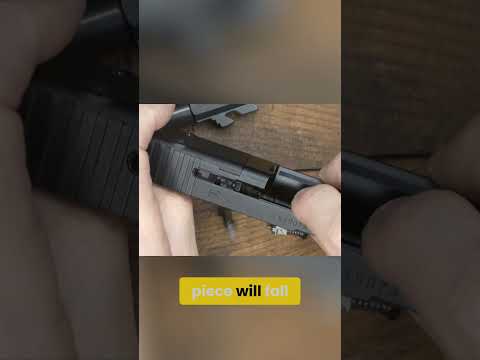
This guide details the field stripping and reassembly process for the Arex Rex Zero 1 pistol, as demonstrated by an expert firearms instructor. It covers the basic steps for separating the slide, barrel, and recoil assembly from the frame, crucial for routine cleaning and maintenance. The instructor highlights the importance of safety checks throughout the process.

Quick Summary

The Arex Rex Zero 1 is a 9mm pistol from Slovenia, often compared to the Sig Sauer P226. It features a DA/SA trigger, aluminum alloy frame, and 17+1 capacity. While reliable with various ammunition, criticisms include a heavy DA trigger, a safety that can be easily disengaged, and ergonomic quirks.

Chapters

  1. 00:00Introduction and Overview
  2. 00:45External Features and Disassembly
  3. 01:45Internal Inspection and Reassembly
  4. 03:06Initial Shooting and Ergonomics
  5. 05:08Accuracy Testing
  6. 07:58Rapid Fire and Reliability
  7. 11:20Second Shooter Impressions and Conclusion

Frequently Asked Questions

What are the key features of the Arex Rex Zero 1 pistol?

The Arex Rex Zero 1 is a 9mm pistol from Slovenia featuring a DA/SA trigger, manual thumb safety and decocker, an aluminum alloy frame, ambidextrous magazine release, and a Picatinny rail. It has a 17+1 capacity and 3-dot iron sights.

How does the Arex Rex Zero 1 compare to the Sig Sauer P226?

The Arex Rex Zero 1 is often described as a clone of the Sig Sauer P226, sharing a similar design and operation. While functional and reliable, reviewers often express a personal preference for the P226 unless the price difference is substantial.

What was the reliability of the Arex Rex Zero 1 during testing?

The Arex Rex Zero 1 demonstrated good reliability during rapid-fire sequences, functioning consistently with both brass-cased Freedom Munitions and steel-cased Winchester USA Forged 9mm ammunition, showing stable ejection patterns.

What were the main criticisms of the Arex Rex Zero 1?

Criticisms included a heavy double-action trigger pull, a manual safety that could be easily bumped off, a 'mushy' slide stop, and the pistol printing slightly to the right during accuracy tests. Ergonomic quirks and price point were also mentioned.

More Gunsmithing & DIY Videos You Might Like

More from Iraqveteran8888

View all →