Brownells - Getting Started With Spray finishes

Published on October 21, 2009
Duration: 2:42

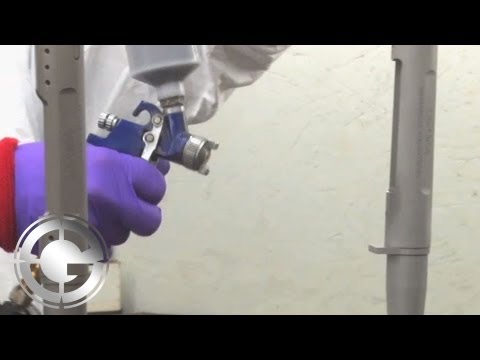
This guide details the essential steps for preparing firearm surfaces for spray finishes. It emphasizes choosing the right coating based on application (interior/exterior) and material compatibility. Proper surface preparation, including cleaning and achieving a rough texture via methods like grit blasting with aluminum oxide, is highlighted as critical for adhesion. The guide also touches on necessary equipment like ovens and air compressors for baked-on finishes and considerations for plastic parts.


Quick Summary

Proper firearm surface preparation is critical for spray finish adhesion. This involves ensuring a rough surface, typically achieved with 120-grit aluminum oxide grit blasting, to maximize contact area. Remove all rust, corrosion, and previous coatings. For certain materials like plastics, specific preparations or alternative finishes may be necessary.

Chapters

  1. 00:00Choosing Your Surface Coating
  2. 00:15Interior vs. Exterior Finish Considerations
  3. 00:29Material Compatibility and Preparation
  4. 00:42Required Equipment for Best Results
  5. 00:51Surface Preparation: Grit Blasting
  6. 01:01Oven Curing Requirements
  7. 01:11Air Cured Finish Options
  8. 01:18Setting Up a Dedicated Spray Area
  9. 01:30Achieving Optimal Surface Roughness
  10. 01:45Grip Glass Preparation
  11. 01:50Alternative Prep for Anodized/Parkerized Finishes
  12. 02:00The Importance of Surface Preparation
  13. 02:08Firearm Disassembly and Inspection
  14. 02:13Material Considerations for Finishing

Frequently Asked Questions

What is the most crucial step in firearm finishing?

Surface preparation is considered the single most important step in the process of finishing a gun. Proper preparation ensures optimal adhesion and a durable, professional-looking result for any spray coating applied.

How should firearm surfaces be prepared for spray coatings?

Surfaces should be made relatively rough to increase adhesion. This is typically achieved through grit blasting, ideally with fresh 120-grit aluminum oxide, to remove rust, corrosion, and previous coatings.

Are there specific considerations for plastic firearm parts when spray finishing?

Yes, some finishes are not appropriate for synthetic or composite plastic stocks without additional treatment. Parts susceptible to distortion during baking should be removed or left in their original finish.

What are some spray finish options that don't require oven curing?

Alumahyde II and Cerakote C are mentioned as air-cured finishes that can provide a professional result without the need for an oven.

Related News

All News →

More Gunsmithing & DIY Videos You Might Like

More from Brownells, Inc.

View all →