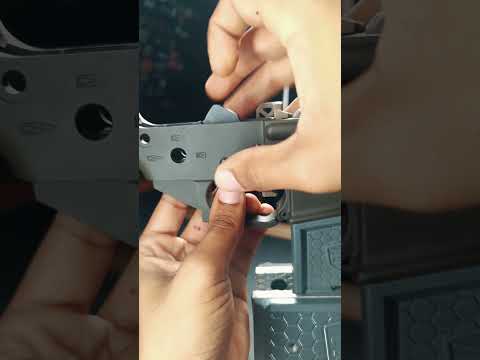
Geissele Super Duty Lower Receiver Physical

Published on March 15, 2020
Duration: 16:14

This video provides a detailed physical inspection of a Geissele Super Duty AR-15 lower receiver, demonstrating how to use various gauges and tools to check critical dimensions and tolerances. The inspection covers the magazine well, receiver extension threads, lug wells, selector detent, pin holes, and sidewall consistency. It also includes a test for upper receiver fitment, highlighting the importance of precise manufacturing for optimal firearm function.

Quick Summary

A thorough physical inspection of an AR-15 lower receiver involves checking critical dimensions with specialized gauges. This includes the magazine well, receiver extension threads, lug wells, selector detent hole, and pivot/take down pin holes to ensure proper fit and function.

Chapters

  1. 00:00Introduction to Geissele Super Duty Lower Physical
  2. 00:31Magazine Well Gauge Test
  3. 01:30Receiver Extension Thread Inspection (3B & 2B)
  4. 04:06Lug Well Distance Measurement
  5. 04:44Selector/Safety Detent Hole Test
  6. 05:27Pivot and Take Down Pin Hole Check
  7. 05:59Sidewall Thickness Measurement
  8. 07:51Hammer and Trigger Pin Hole Inspection
  9. 09:35Trigger Pin Fitment Test (Geissele, LaRue, Colt)
  10. 12:23Pistol Grip Screw Thread Check
  11. 13:19Upper Receiver Fitment Test
  12. 15:42Conclusion: Geissele Super Duty Lower Passes Inspection

Frequently Asked Questions

What is the purpose of a US GI magazine well gauge?

A US GI magazine well gauge is used to verify the proper dimensions of the AR-15's magazine well. It ensures that magazines will seat correctly and drop free, which is crucial for efficient reloading during shooting.

How do you check the receiver extension threads on an AR-15 lower receiver?

You check receiver extension threads using 3B and 2B thread plug gauges. The 'go' side of the 3B gauge should thread in, indicating sufficient diameter, while the 'no-go' sides of both gauges should not thread in, ensuring a precise fit for the buffer tube.

What are the critical pin hole checks for an AR-15 lower receiver?

Critical pin hole checks include the selector/safety detent hole, and the pivot and take down pin holes. Gauges are used to ensure the 'go' side inserts and the 'no-go' side does not, preventing excessive slop or binding.

How can you test the fitment between an AR-15 upper and lower receiver?

To test upper and lower receiver fitment, assemble them and use a feeler gauge (around 0.020 inches). You should not be able to insert the gauge between the receiver lugs or significantly pull the receivers apart, indicating a tight, stable connection.

More Gunsmithing & DIY Videos You Might Like

More from School of the American Rifle

View all →