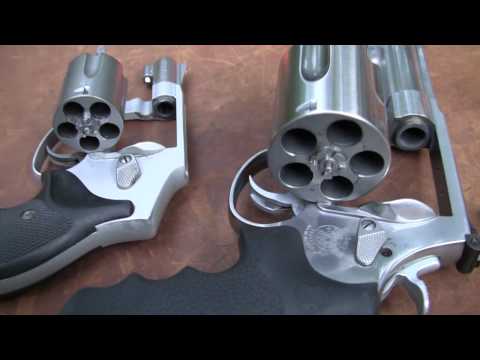
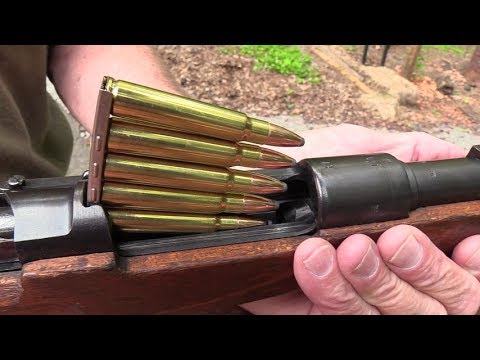
Hickok45 Was WRONG! (Hammer Blocks and Transfer Bars)

Published on July 10, 2018
Duration: 12:32

This guide details the internal safety mechanisms of modern revolvers, specifically the transfer bar and hammer block systems, as explained by Hickok45. It covers how these safeties prevent accidental discharges by ensuring the hammer cannot strike the firing pin unless the trigger is intentionally pulled. The explanation includes visual demonstrations of Ruger and Smith & Wesson designs and touches upon the historical evolution of these safety features in revolvers.

Quick Summary

Modern revolvers incorporate internal safeties like transfer bars or hammer blocks, which prevent the hammer from striking the firing pin unless the trigger is fully depressed. This design evolution, prominent since the early 20th century, makes them significantly safer to carry fully loaded compared to older firearm designs lacking such mechanisms.

Chapters

  1. 00:00Introduction and Correction
  2. 00:47Revolver Safety Evolution
  3. 03:05Ruger Transfer Bar Mechanism
  4. 06:55Smith & Wesson Hammer Block
  5. 09:26Brand Comparisons and Single Actions

Frequently Asked Questions

What is the difference between a hammer block and a transfer bar in a revolver?

A transfer bar is a component that bridges the hammer and firing pin only when the trigger is pulled, preventing accidental discharge from drops. A hammer block is a physical piece that obstructs the hammer's path until the trigger is activated. Both enhance safety but function mechanically differently.

More Gunsmithing & DIY Videos You Might Like

More from hickok45

View all →