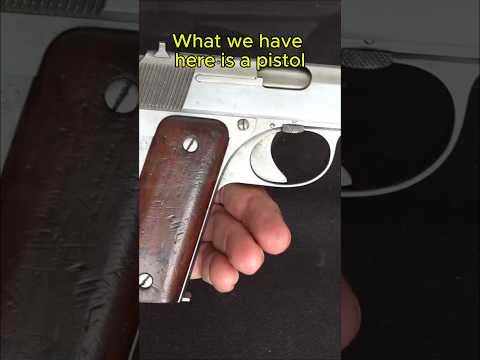
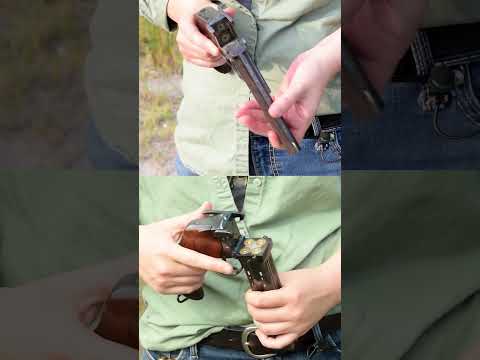
History of WWI Primer 010: German Mauser 1914 Pistol Documentary

Published on October 13, 2015
Duration: 24:16

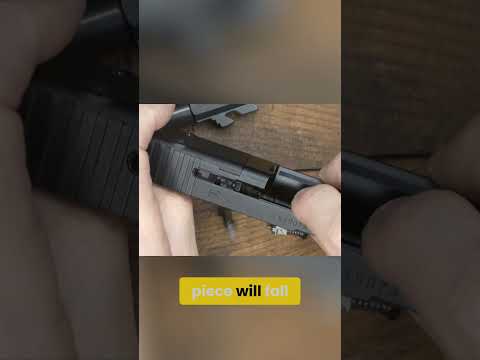
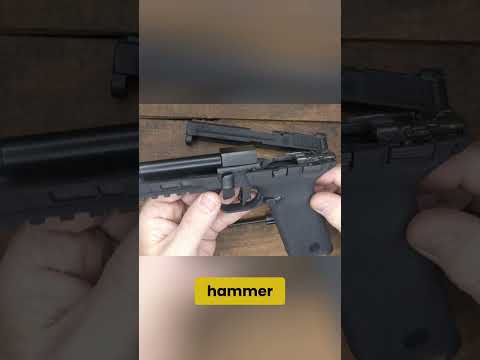
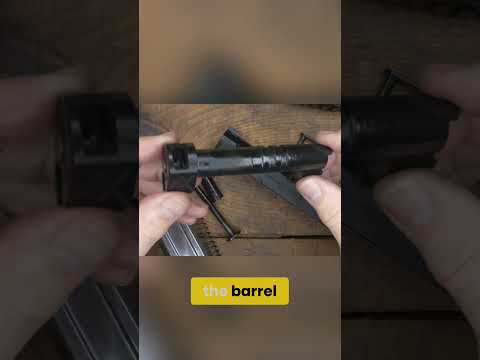
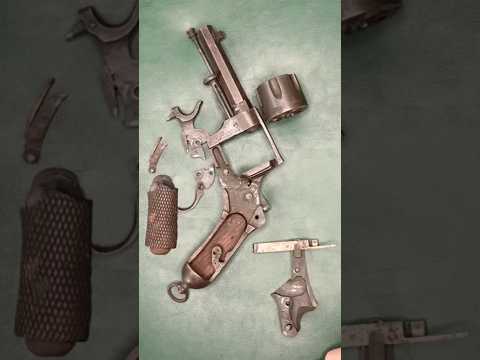
This guide details the field stripping process for the Mauser 1914 pistol, as demonstrated in the C&Rsenal video. It covers removing the slide, recoil spring, and barrel from the frame. The video emphasizes the unique barrel takedown button and the striker-fired, simple blowback mechanism. The instructor's high authority level is evident in the detailed mechanical analysis and practical demonstration.

Quick Summary

The Mauser 1914 is a German pistol utilizing a simple blowback action and a striker-fired mechanism. Field stripping involves pressing a unique barrel takedown button to remove the slide, recoil spring, and barrel. It features a two-part safety and a slide lock that requires a magazine to reset.

Chapters

  1. 00:00Introduction and Historical Context
  2. 02:22Design Challenges and Evolution
  3. 08:16Safety and Mechanics
  4. 11:53Internal Operation and Firing Cycle
  5. 14:06Service History and Later Models
  6. 17:08Shooting Impressions

Frequently Asked Questions

What is the action type of the Mauser 1914 pistol?

The Mauser 1914 operates on a simple blowback system and features a striker-fired mechanism. This design is common in smaller caliber pistols, utilizing the energy of the fired cartridge to cycle the action.

How is the Mauser 1914 pistol field stripped?

Field stripping involves ensuring the pistol is unloaded, pressing the spring-loaded barrel takedown button, aligning it with the slide notch, pushing it through, and then removing the slide, recoil spring, and barrel.

What are the key safety features of the Mauser 1914?

The Mauser 1914 has a unique two-part safety: a manual lever pushed down to engage and a button that must be pressed to release. It also features a slide lock that holds the action open after the last round.

What historical significance does the Mauser 1914 hold?

Developed by Josef Nickl under Paul Mauser, the 1914 was part of a modular pistol family concept. It saw significant adoption by the German military during WWI and remained in police service afterward, often marked with '1920' stamps.

Related News

All News →

More Gunsmithing & DIY Videos You Might Like

More from C&Rsenal

View all →