How to Fill the Wood Pores When Finishing a Gun Stock | MidwayUSA Gunsmithing

Published on August 18, 2011
Duration: 1:04

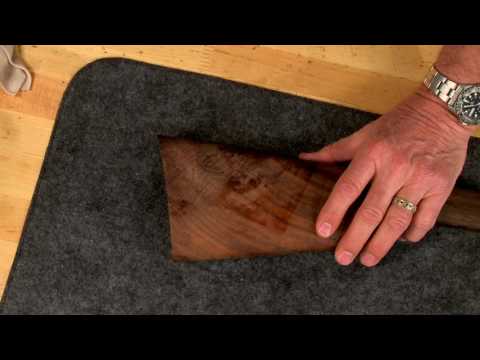
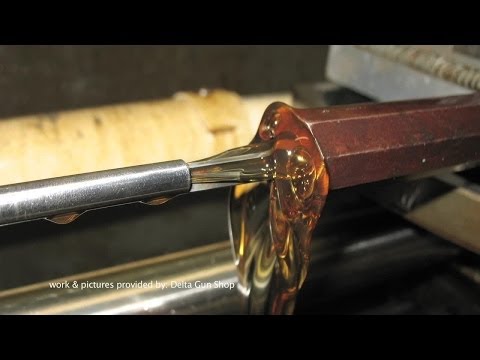
This guide details the process of filling wood pores on a gun stock for a superior finish, as demonstrated by Larry Potterfield from MidwayUSA. It emphasizes thorough preparation and the application of a specialized filler, requiring multiple applications and drying periods to achieve a smooth, enhanced wood grain ready for final finishing.

Quick Summary

Expert gunsmith Larry Potterfield from MidwayUSA demonstrates how to fill wood pores on a gun stock for a superior finish. The process involves applying Miles Gilbert Stock Re-Finishing Kit Formula #5 in circular motions, wiping across the grain, and allowing 24 hours of drying time between the typical three to four applications.

Chapters

  1. 00:00Introduction: Gun Stock Refinishing
  2. 00:13Prior Stock Preparation Steps
  3. 00:29Applying Wood Grain Filler
  4. 00:41Multiple Filler Applications
  5. 00:53Conclusion: Ready for Finishing

Frequently Asked Questions

What is the primary goal when filling wood pores on a gun stock?

The primary goal is to fill the natural wood grain and any imperfections to create a smoother surface, which enhances the wood's natural beauty and prepares it for subsequent finishing steps like applying oil or varnish.

How many applications of wood filler are typically needed for a gun stock?

Typically, three to four applications of wood filler are required. It's crucial to allow one full day of drying time between each application to ensure proper adhesion and a smooth, even finish.

What are the essential preparation steps before applying wood filler to a gun stock?

Before applying filler, the stock should be properly prepared. This includes sanding it smooth, sealing the grain, and potentially other modifications like shortening the length of pull or rounding the fore-end.

What is the recommended technique for applying and removing wood filler?

Apply the filler using a circular motion to ensure it penetrates the pores. Then, wipe off the excess using a motion that moves across the grain to achieve a smooth, even surface.

Related News

All News →

More Gunsmithing & DIY Videos You Might Like

More from MidwayUSA

View all →