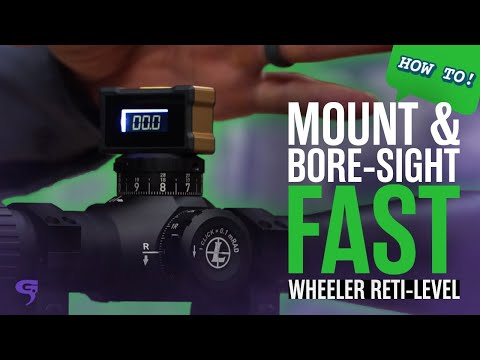
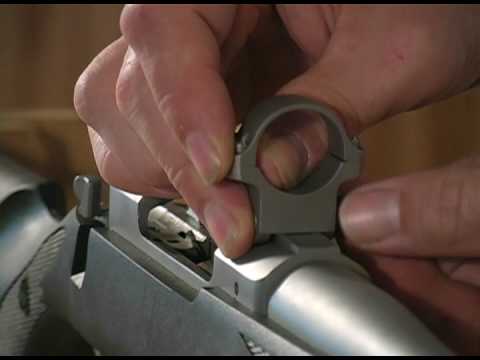
HOW TO MOUNT A SCOPE

Published on September 23, 2022
Duration: 18:50

This guide details a meticulous scope mounting process emphasizing reticle leveling using a plumb bob and ensuring proper torque. The instructor, Ryan D'Agostino from Achilles Heel Tactical, advocates for a slow, deliberate approach to achieve a true-to-gravity reticle, explaining concepts like exit pupil and eye relief. The method prioritizes accuracy over speed, recommending tools like the Short Action Customs Final Scope Level and Wheeler bubble levels, while stressing the importance of manufacturer torque specifications to prevent internal scope damage.


Quick Summary

The most accurate method for leveling a rifle scope reticle is using a plumb bob or plumb line to ensure it's true to gravity. This involves setting up a weighted string at a distance and aligning the scope's vertical reticle with it, ensuring a perfectly vertical alignment regardless of rifle cant. Bubble levels are faster but can be affected by temperature and require careful use.

Chapters

  1. 00:29Introduction to Scope Mounting
  2. 00:35Plumb Bob Leveling Method
  3. 01:30Bubble Leveling Options
  4. 02:57Scope Placement and Eye Relief
  5. 04:07Ring Screw Tightening Technique
  6. 04:30Torqueing Scope Rings
  7. 06:49Final Torque and Verification
  8. 08:45Second Ring Installation
  9. 09:45Final Checks and Adjustments
  10. 10:18Viewing Through the Mounted Scope

Frequently Asked Questions

What is the best method for leveling a rifle scope reticle?

The most accurate method for leveling a rifle scope reticle is using a plumb bob or plumb line to ensure it's true to gravity. This involves setting up a weighted string at a distance and aligning the scope's vertical reticle with it, ensuring a perfectly vertical alignment regardless of rifle cant. Bubble levels are faster but can be affected by temperature and require careful use.

How tight should scope ring screws be?

Scope ring screws should be torqued to the manufacturer's specified inch-pounds, typically between 15-18 inch-pounds. It's crucial not to exceed the scope's maximum torque specification, as over-tightening can bind the scope's internal mechanisms and cause damage.

Should I use Loctite on scope ring screws?

Generally, it is not recommended to use Loctite on scope ring screws unless specifically advised by the scope or ring manufacturer. Loctite can alter torque readings and potentially damage the scope's internal components. If Nyloc is present, break it up by cycling the screws.

What is exit pupil and why is it important for scope mounting?

Exit pupil is the diameter of the light beam exiting the scope's eyepiece. It's calculated by dividing the objective lens diameter by the magnification. Proper eye relief ensures your eye aligns with the exit pupil, providing a full, clear field of view without shadowing, especially at higher magnifications or in low light.

More Gunsmithing & DIY Videos You Might Like

More from Achilles Heel Tactical

View all →