How to Paint a Rifle

Published on March 18, 2024
Duration: 11:17

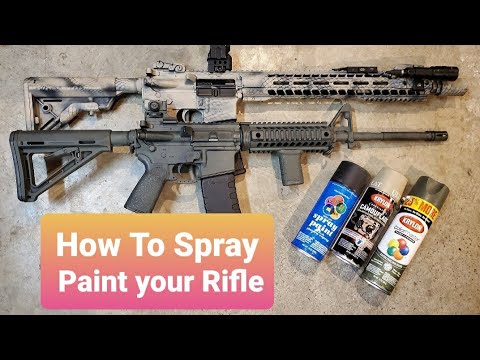
This guide details a DIY method for painting a rifle using readily available spray paint, offering a cost-effective alternative to professional finishes like Duracoat or Cerakote. The process emphasizes proper preparation, including masking critical components, and a multi-layer application technique using natural materials for organic camouflage patterns. The speaker highlights the advantage of spray paint's ease of touch-up and modification for seasonal environmental changes.


Quick Summary

Spray painting a rifle offers cost and speed advantages over professional finishes, allowing for easy touch-ups and seasonal pattern changes. Proper preparation includes masking critical components and removing rubber parts. The application technique involves layering colors, using natural materials for organic patterns, and reintroducing darker tones for depth.

Chapters

  1. 00:00Introduction to Rifle Painting
  2. 00:35Comparing Paint Types: Professional vs. Rattle Can
  3. 00:55Advantages of Rattle Can Paint Jobs
  4. 01:41Rifle Preparation and Masking
  5. 02:15Handling Rubber Butt Pads
  6. 03:29Painting Technique: Base Layer
  7. 04:55Applying Second Color and Pattern Breakup
  8. 06:13Adding Depth with Back Spray
  9. 06:33Final Pattern Application
  10. 07:26Darkening the Overall Finish
  11. 07:55Painting the Bolt Carrier Group (BCG)
  12. 09:27Critique and Closing Thoughts on Paint Job
  13. 10:05Adapting Paint for Seasonal Changes
  14. 10:20The Advantage of DIY Paint Fixes

Frequently Asked Questions

What are the main advantages of using spray paint (rattle can) for a rifle compared to professional finishes?

Spray paint is significantly cheaper and faster to apply than professional finishes like Duracoat or Cerakote. It's also much easier to fix mistakes or repaint the rifle if it gets damaged or if you want to change the camouflage pattern for different seasons.

How should I prepare my rifle before spray painting it?

Thorough preparation is key. Mask off any parts you don't want painted, such as optic screens, laser covers, and adjustment dials on scopes. If your rifle has a rubber butt pad, remove it to paint separately for better results.

What is the recommended technique for applying camouflage spray paint to a rifle?

Start with your darkest color as a base layer. While wet, mist on lighter colors. Use natural materials like grass to create organic patterns by spraying through them. Reapply darker colors for depth and shadow, and use the material again for final highlights.

Is it okay to paint the bolt carrier group (BCG) on my rifle?

Yes, for a rattle can job, painting the BCG is generally acceptable. The paint will wear off quickly due to friction and gas, but it typically doesn't hinder function. If concerned, you can clean it more often or reapply paint as needed.

More Gunsmithing & DIY Videos You Might Like

More from The VSO Gun Channel

View all →