How To Paint Your Rifle : 2025

Published on September 10, 2025
Duration: 13:11

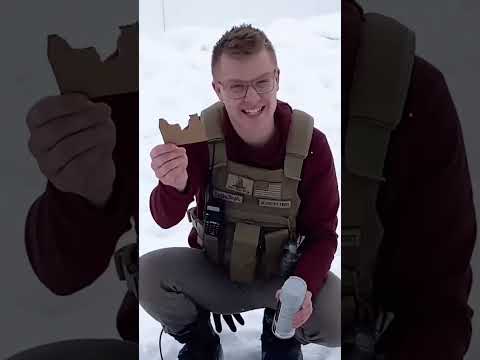
This guide details a method for painting a rifle using rattle cans and camouflage netting, as demonstrated by Ivan from Kit Badger. The process involves careful masking, applying base and subsequent color layers with varied patterns, and a final dusting coat to achieve a durable camouflage finish. The instructor emphasizes the importance of environmental conditions for paint curing and offers practical reasons for painting firearms, including aesthetics and heat management.


Quick Summary

Learn to paint your rifle with rattle cans for effective camouflage. The process involves masking, applying base and subsequent color layers using netting or stencils, and a final dusting coat. Environmental factors like wind, humidity, and heat are crucial for proper paint curing.

Chapters

  1. 00:00Introduction to Rifle Painting
  2. 01:02Paint Selection and Preparation
  3. 02:01Applying Base Coat
  4. 03:03Using Camouflage Netting
  5. 03:17Applying Woodland Green
  6. 03:38Applying Earth Brown
  7. 04:08Applying Mid-Range Green (Olive Drab/Coyote)
  8. 05:32Applying Olive Green
  9. 06:01Using a Mythosaur Stencil
  10. 09:36Final Dusting Coat
  11. 10:00Curing and Tape Removal
  12. 10:36Environmental Factors for Painting
  13. 11:14Reasons for Painting a Firearm
  14. 12:35Paint Recommendations and Conclusion

Frequently Asked Questions

What is the best type of paint for customizing a rifle?

While discontinued, Airbrush paints were highly regarded for their legit military colors. Currently, Rustoleum camouflage spray paints are a good alternative, offering a flat finish suitable for firearm customization.

How do you create a camouflage pattern on a rifle?

A common method involves using camouflage netting draped over the firearm. Spray paint is then applied through the netting's openings, creating irregular patterns with both hard and soft edges for a natural look.

Why should you paint a rifle?

Painting a rifle can be done for aesthetic reasons, to create effective camouflage for tactical applications, or practically to reduce heat absorption in hot environments, making the firearm more comfortable to handle.

What are important environmental factors when painting a firearm?

Avoid painting in high winds as it can cause overspray. Humid conditions slow drying times, and extreme heat can be detrimental; painting in the shade is generally more ideal than direct sunlight.

Related News

All News →

More Gunsmithing & DIY Videos You Might Like

More from Kit Badger

View all →