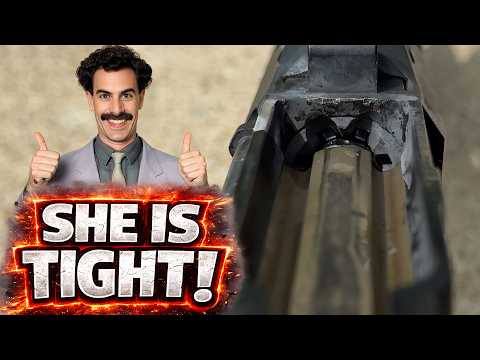
Loading 6.5 Grendel - ep 2 - Function testing the gun. Ejection issues!

Published on November 25, 2015
Duration: 28:07

This video details the initial function testing of a 6.5 Grendel AR-15 build, focusing on identifying and troubleshooting ejection issues. The presenter systematically tests factory and handloaded ammunition, documents malfunctions with a withheld brass catcher, and inspects the bolt assembly for potential causes like extractor burrs. The content provides practical insights for firearm owners experiencing similar cycling problems and outlines potential DIY solutions.

Quick Summary

Troubleshooting ejection issues on a 6.5 Grendel AR-15 involves inspecting the bolt for extractor burrs and checking the ejector spring. Ammunition velocity for 123-grain loads typically ranges from 2550-2620 fps. Addressing extractor imperfections with tools like a Dremel can often resolve these malfunctions.

Chapters

  1. 00:02Range Arrival & Setup
  2. 00:25Firearm Configuration Overview
  3. 01:38Close-up of Firearm Build
  4. 02:08Dry Firing & Trigger Feel
  5. 02:20Loading Hornady 123gr A-Max
  6. 03:06First Shots & Velocity Data
  7. 03:51First Ejection Issue Observed
  8. 04:41Analyzing Brass Damage
  9. 05:00Magazine Feed Observation
  10. 05:32Second Shot & Ejection
  11. 06:49Case Mouth Damage Analysis
  12. 07:17Final A-Max Shot & Bolt Lock Back
  13. 07:57A-Max Velocity Summary
  14. 08:40Testing Damaged Brass
  15. 09:30Failure to Eject (Damaged Brass)
  16. 10:06Manual Cycling Test
  17. 11:31Manual Cycling - Continued Observation
  18. 12:15Bolt Disassembly & Inspection
  19. 13:19Debris in Bolt & Range Limitations
  20. 13:47Reassembly & Further Testing
  21. 14:07Post-Reassembly Test Fire
  22. 15:01Barrel Break-in & Continued Testing
  23. 16:17A-Max 10-Shot Group & Velocity
  24. 16:45Loading Hornady 123gr SST
  25. 17:10Optic Parallax & Cheek Weld Discussion
  26. 18:00SST Shots & Grouping
  27. 19:15SST Velocity Summary
  28. 19:41Loading Handloads (8208 XBR)
  29. 20:058208 XBR 10-Shot Group
  30. 21:49Trigger Feel & Handload Observation
  31. 22:008208 XBR Velocity Summary
  32. 22:24Loading Handloads (Benchmark)
  33. 23:03Benchmark Group & Optic Issue Realization
  34. 23:51Benchmark Velocity Summary
  35. 24:05Loading Handloads (CFE 223)
  36. 24:42CFE 223 Shots & Grouping
  37. 24:42CFE 223 Velocity Summary
  38. 24:53Packing Up & Next Steps
  39. 25:06Post-Range Analysis & Research
  40. 25:20Potential Bolt Modification
  41. 26:12Overall Performance Assessment
  42. 26:42Gun Store Visit & New Optics Mount
  43. 27:37Preview of Next Video

Frequently Asked Questions

What are common causes of ejection issues in AR-15 firearms?

Ejection issues in AR-15s can stem from several factors, including worn or damaged extractors, weak ejector springs, burrs on the bolt or extractor that snag case rims, magazine feeding problems, or even the design of the upper receiver's ejection port. Inspecting the bolt assembly, particularly the extractor and ejector, is a crucial first step in troubleshooting.

How can I troubleshoot a failure to eject on my 6.5 Grendel AR-15?

To troubleshoot a failure to eject, first try different ammunition types. If the problem persists, disassemble the bolt and inspect the extractor for burrs or damage, and check the ejector spring's tension. Ensure the magazine is feeding rounds correctly. Sometimes, minor modifications to the extractor or bolt can resolve these issues.

What is the typical velocity for 123-grain 6.5 Grendel ammunition?

The velocity for 123-grain 6.5 Grendel ammunition can vary by manufacturer and load. For example, Hornady 123-grain A-Max averaged around 2600 fps in testing, while their 123-grain SST averaged approximately 2552 fps. Advertised velocities are often around 2580-2620 fps.

Can extractor burrs cause ejection problems in firearms?

Yes, burrs or sharp edges on a firearm's extractor can significantly contribute to ejection problems. These imperfections can snag the rim of the cartridge case, preventing the extractor from properly gripping it or interfering with the ejector's action, leading to failures to eject or extract.

Related News

All News →

More Gunsmithing & DIY Videos You Might Like

More from Johnny's Reloading Bench

View all →