PTG Chamber/Throat Function Gauges

Published on April 24, 2020
Duration: 3:58

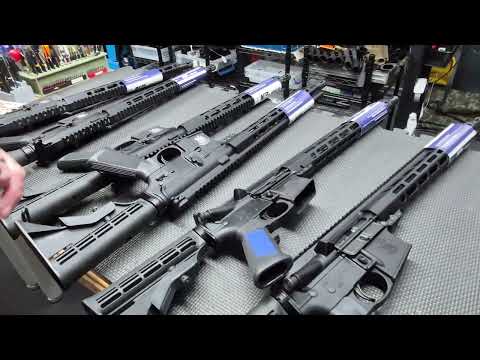
This video demonstrates the use of Pacific Tool & Gauge (PTG) function gauges for inspecting firearm chambers and throats. The instructor explains how these gauges differ from standard headspace gauges, providing insights into chamber dimensions, neck areas, and throat lengths. The video highlights their utility in identifying potential issues before live fire, especially in build classes.

Quick Summary

PTG function gauges are essential tools for inspecting firearm chamber and throat dimensions, going beyond standard headspace gauges. They help identify issues like undersized chambers or necks by using layout fluid to reveal contact points, ensuring proper fit and function before live fire.

Chapters

  1. 00:00Introduction to PTG Function Gauges
  2. 00:10Gauge Variations: Short vs. Long Throat
  3. 00:15Caliber Differences: 5.56 NATO vs. 223 Remington
  4. 00:30Specific Gauge Examples (223 Rem, 5.56 NATO)
  5. 00:44Handle Function Gauge
  6. 00:53Inspection Method: Layout Fluid/Marker
  7. 01:02Inserting the Gauge
  8. 01:13Checking for Binding
  9. 01:19Interpreting Layout Fluid Marks
  10. 01:28Limitations of Headspace Gauges
  11. 01:30Barrel Extension Headspace Gauges Explained
  12. 02:04Checking the Throat Separately
  13. 02:20Using Gauges with an Actual Bolt
  14. 02:31Checking Contact Points with Bolt Lock
  15. 02:48Importance for Build Classes
  16. 02:52Field Test: Live Round Chamber Check
  17. 03:05Driving Out a Stuck Round
  18. 03:16Causes of Casing Binding
  19. 03:21Factory vs. Reloaded Ammunition for Testing
  20. 03:36Concluding Thoughts on Gauges

Frequently Asked Questions

What is the main difference between PTG function gauges and standard headspace gauges?

PTG function gauges inspect chamber and throat dimensions, checking for issues like undersized chambers or necks. Standard headspace gauges only verify dimensions from the datum line to the bolt face, not the internal chamber geometry.

How can I use PTG function gauges to check my firearm's chamber?

Paint the gauge with layout fluid or marker, insert it into the barrel, and check for seating with finger pressure. Then, extract it and look for binding or marks on the fluid indicating contact points or undersized areas.

What is the practical field test for chamber binding using ammunition?

Seat a factory round into the chamber. If you need to use significant force with a cleaning rod from the muzzle to eject it, it indicates binding in the chamber, neck, or throat dimensions.

Why is it important to use factory ammunition for chamber binding tests?

Factory ammunition provides a consistent and reliable standard for testing chamber fit. Reloaded ammunition can have variations that might lead to false positives or negatives, making the test less conclusive.

More Gunsmithing & DIY Videos You Might Like

More from School of the American Rifle

View all →