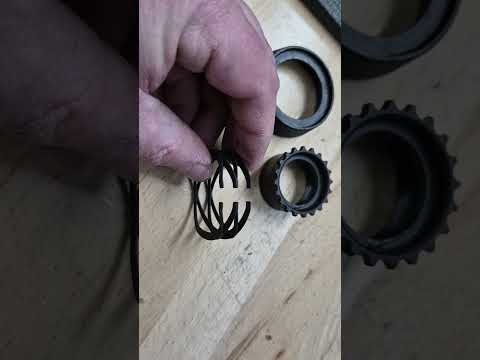
Quick Tip: Fixing Common AR-15 Gas System Problems

Published on March 3, 2021
Duration: 5:19

This guide, presented by Brownells experts Steve and Caleb, details how to diagnose and fix common AR-15 gas system problems. It covers identifying over-gassing and under-gassing through ejection patterns and cycling issues, inspecting critical components like the gas key and gas rings, and suggests solutions such as adjustable gas blocks or heavier buffers. The video emphasizes practical diagnostic tests for component wear.

Quick Summary

Troubleshoot AR-15 gas system problems by observing ejection patterns: forward of 3:00 suggests over-gassing, while short cycling indicates under-gassing. Inspect the gas key for staking and leaks, and test gas rings by standing the BCG on its bolt; if it collapses, replace the rings. Solutions for over-gassing include adjustable gas blocks or heavier buffers.

Chapters

  1. 00:00Introduction to AR-15 Gas System Problems
  2. 00:20Identifying Over-gassing via Ejection Patterns
  3. 01:05Diagnosing Under-gassing and Gas Leaks
  4. 01:50BCG and Gas Key Inspection
  5. 02:10Gas Ring Wear Test
  6. 04:15Gas Tube Alignment Issues

Frequently Asked Questions

How can I tell if my AR-15 is over-gassed?

An over-gassed AR-15 typically ejects casings forward of the 3:00 position. A normal ejection pattern is between 3:00 and 5:00. This indicates excessive gas pressure is cycling the action too forcefully.

What are common causes of an under-gassed AR-15?

Under-gassing in an AR-15 is often caused by leaks in the gas system, such as a loose gas block, a poorly sealed gas tube, or a loose/worn gas key. Worn gas rings can also contribute to this issue.

How do I test the gas rings on my AR-15's bolt carrier group?

A simple test for worn gas rings involves standing the bolt carrier group (BCG) upright on its bolt. If the BCG collapses under its own weight, the gas rings are worn and need replacement.

What are solutions for an over-gassed AR-15?

To correct an over-gassed AR-15, you can install an adjustable gas block to precisely control gas flow, or use a heavier buffer to slow down the bolt carrier group's movement.

Related News

All News →

More Gunsmithing & DIY Videos You Might Like

More from Brownells, Inc.

View all →