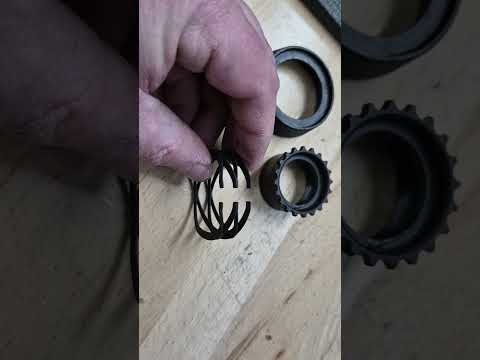
Quick Tip: The Right Way To Stake an AR-15 Castle Nut

Published on March 1, 2023
Duration: 8:40

This video demonstrates the correct method for staking an AR-15 castle nut to ensure a secure buffer tube attachment. It highlights the importance of sufficient metal displacement from the end plate into the castle nut notch, using tools like a center punch and hammer. The tutorial contrasts proper staking with common mistakes, emphasizing a 'bomb-proof' build with potentially two staking points for maximum retention.

Quick Summary

Properly staking an AR-15 castle nut involves using a hammer and center punch to displace metal from the end plate into the castle nut's notches. This creates a secure lock preventing loosening. Avoid merely scratching the surface; aim for significant metal flow for a reliable build.

Chapters

  1. 00:00Introduction: Importance of Proper Staking
  2. 00:41What is an AR-15 Castle Nut?
  3. 01:21Components Used: Geissele, FCD, BCM
  4. 01:40What NOT to Do: Bad Staking Example
  5. 02:41Required Tools: Punch & Hammer
  6. 03:36Positioning & Preparation for Staking
  7. 04:46The Correct Staking Process
  8. 07:31Final Inspection: Properly Staked Nut

Frequently Asked Questions

What is the purpose of staking an AR-15 castle nut?

Staking an AR-15 castle nut secures the receiver extension (buffer tube) to the lower receiver. It prevents the castle nut from loosening due to vibration or recoil, ensuring the buffer system remains properly aligned and functional.

What tools are needed to stake an AR-15 castle nut?

You will need a hammer and a center punch. A pointed tip on the center punch is preferred for creating a pilot indentation. A cross-peen hammer is shown as a suitable option for striking the punch.

How do you know if an AR-15 castle nut is staked correctly?

A properly staked castle nut will have a significant amount of metal from the end plate visibly displaced into the notches of the castle nut. This creates a strong mechanical lock that prevents rotation.

What is a common mistake when staking an AR-15 castle nut?

A common mistake is insufficient metal displacement, where the staking process only scratches the surface of the castle nut without creating a secure lock. This can lead to the castle nut loosening over time.

Related News

All News →

More Gunsmithing & DIY Videos You Might Like

More from Brownells, Inc.

View all →