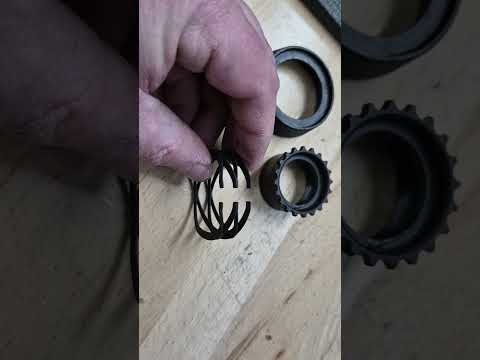
Quick Tip: The Right Way To Stake an AR-15 Castle Nut

Published on March 1, 2023
Duration: 8:40

This guide details the correct technique for staking an AR-15 castle nut, a critical step for ensuring the receiver extension remains secure. It emphasizes proper tool usage and metal displacement to prevent loosening, contrasting it with ineffective methods. The instruction comes from Caleb at Brownells, a reputable firearms retailer and gunsmithing resource, highlighting their expertise in practical firearm maintenance.

Quick Summary

Properly staking an AR-15 castle nut involves using a pointed center punch and hammer to displace metal from the receiver end plate into the castle nut's notches. This creates a secure lock, preventing the buffer tube from loosening due to recoil or vibration. Avoid merely scratching the surface; aim for significant metal deformation for a reliable build.

Chapters

  1. 00:00Introduction to Castle Nut Staking
  2. 00:41What is a Castle Nut?
  3. 01:21Components Used in Demonstration
  4. 01:40Example of Poor Staking
  5. 02:41Required Tools for Staking
  6. 03:36Positioning and Preparation
  7. 04:46The Staking Process Explained
  8. 07:31Final Inspection and Best Practices

Frequently Asked Questions

What is the purpose of staking an AR-15 castle nut?

Staking an AR-15 castle nut creates a mechanical lock by deforming metal from the receiver end plate into the notches of the castle nut. This prevents the castle nut from loosening due to vibration or recoil, ensuring the receiver extension (buffer tube) remains securely attached to the lower receiver.

What tools are needed to stake an AR-15 castle nut?

For proper castle nut staking, you will need a vise to secure the lower receiver, a pointed center punch, and a hammer. A cross-peen hammer is often recommended for its effectiveness in displacing metal. Ensure you have the necessary AR-15 components like a receiver end plate and castle nut.

What is the difference between good and bad AR-15 castle nut staking?

Good staking involves significant metal displacement from the end plate into the castle nut's notches, creating a deep, secure lock. Bad staking, often seen online, merely scratches the surface without providing adequate retention, leaving the castle nut vulnerable to loosening.

Can I stake my AR-15 castle nut with just any punch?

While any punch can be used, a pointed tip is generally preferred over a square tip for staking an AR-15 castle nut. A pointed punch allows for more precise placement and effective displacement of metal from the receiver end plate into the castle nut notch.

Related News

All News →

More Gunsmithing & DIY Videos You Might Like

More from Brownells, Inc.

View all →