Reloading Basics 2

Published on October 24, 2012
Duration: 6:14

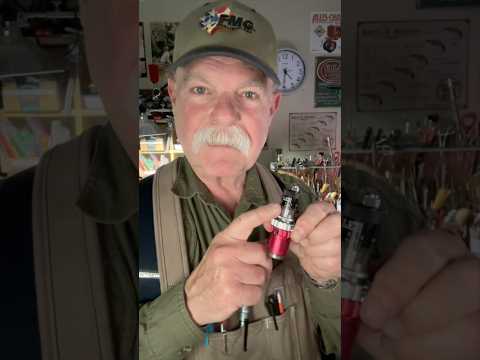
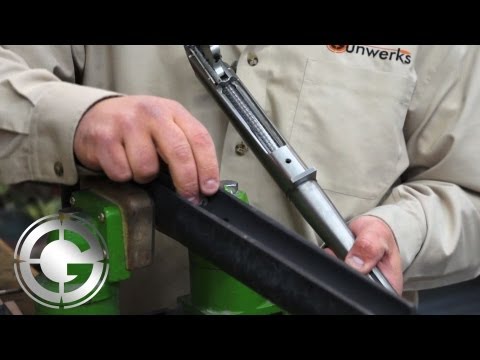
This guide details the fundamental steps of reloading a cartridge, focusing on using a Lock-N-Load press. It covers sizing new brass with a full-length die, deburring, priming, accurately charging with powder, and seating bullets to a precise overall length without crimping. The instruction emphasizes proper die setup and measurement for consistent, accurate reloaded ammunition suitable for long-range shooting.


Quick Summary

Reloading a rifle cartridge involves sizing the brass case, deburring the mouth, priming, charging with powder, and seating the bullet to a precise overall length. Proper setup of dies, especially the sizing and seating dies, is critical for consistent results and accuracy, particularly for long-range shooting.

Chapters

  1. 00:00Introduction to Reloading Equipment
  2. 00:11Sizing New Brass
  3. 00:22Deburring Case Mouths
  4. 00:30Setting Up the Sizing Die
  5. 01:13Applying Case Lubricant
  6. 01:42Performing the Sizing Operation
  7. 02:03Deburring Operation
  8. 02:06Priming Cases
  9. 02:41Programming and Dispensing Powder Charge
  10. 03:10Charging and Preparing for Seating
  11. 03:17Setting Up the Bullet Seating Die
  12. 04:22Seating the Bullet
  13. 04:44Measuring and Adjusting Overall Length
  14. 05:46Final Touches and Completed Round
  15. 06:02Conclusion: Reloading for Accuracy

Frequently Asked Questions

What are the essential steps for reloading a rifle cartridge?

Reloading involves sizing the brass case, deburring the mouth, priming the case, charging it with powder, and finally seating the bullet to the desired overall length. Each step requires careful setup and measurement for accuracy.

How do you properly set up a full-length sizing die for reloading?

To set up a full-length sizing die, raise the press ram with a case in place until it contacts the die. Screw the die down until it touches the ram, then lock the die ring. This setting is typically permanent for that cartridge.

What is the correct procedure for seating a bullet during reloading?

After charging the case, insert the bullet and begin seating it with the seating die. Measure the overall cartridge length and adjust the die incrementally until the desired length is achieved, ensuring no crimp is applied.

Why is deburring the case mouth important in reloading?

Deburring the case mouth after sizing is crucial to ensure a uniform case mouth. This prevents uneven trimming of the brass and provides a clean, consistent surface for seating the bullet, contributing to overall accuracy.

Related News

All News →

More Gunsmithing & DIY Videos You Might Like

More from Gunwerks

View all →