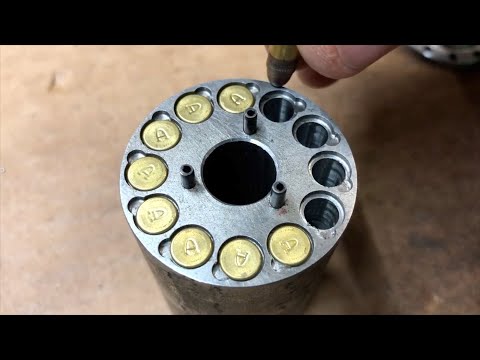
Stamping FAIL!

Published on January 29, 2026
Duration: 26:13

This video details a failed attempt at stamping a firearm component using a 120-ton hydraulic press. Mark Serbu, owner of Serbu Firearms, highlights the critical importance of precise material alignment and die design in sheet metal stamping. The demonstration showcases common pitfalls, such as misalignment leading to skewed parts, and the challenges of achieving complex bends with simple dies. Serbu emphasizes that learning from failures is integral to the engineering process.


Quick Summary

Stamping firearm components with a hydraulic press requires extreme precision, particularly in material alignment within the die. Failures often stem from misalignment, leading to skewed parts. Proper die design and press setup, including the use of lubricants like 'SUPER DRAW 150', are crucial for success. Learning from these manufacturing 'fails' is essential for engineers.

Chapters

  1. 00:00Introduction to Stamping
  2. 01:17Preparation and Lubrication
  3. 03:01Initial Stamping Attempt
  4. 06:25Identifying the Failure
  5. 10:14Troubleshooting and Adjustments
  6. 16:55Analyzing the Skewed Results
  7. 22:46Conclusion and Lessons Learned

Frequently Asked Questions

What are the main challenges in stamping firearm components with a hydraulic press?

The primary challenges include achieving perfect material alignment within the die, designing appropriate dies for complex shapes, and ensuring the press cycle completes correctly. Misalignment is a common cause of unusable parts, as demonstrated in the video.

Why is precise alignment crucial when using a hydraulic press for metal stamping?

Precise alignment is critical because even slight deviations can cause the metal to deform unevenly under immense pressure. This leads to skewed, cracked, or otherwise unusable components, as seen with the failed part in the video.

What type of lubricant is recommended for stamping 4130 steel?

The video recommends 'SUPER DRAW 150' lubricant from AFT Ink. This type of lubricant is applied to the dies to help prevent pinching and cracking of the metal during the high-pressure forming process.

What is the advantage of stamping over subtractive machining for mass production?

Stamping is significantly faster and more efficient for mass production. While subtractive machining removes material, stamping forms it, allowing for quicker creation of identical parts, as historically seen with firearms like the MG42.

More Gunsmithing & DIY Videos You Might Like

More from markserbu

View all →