Home Shop Rifling - Part 2

Published on December 30, 2018
Duration: 29:17

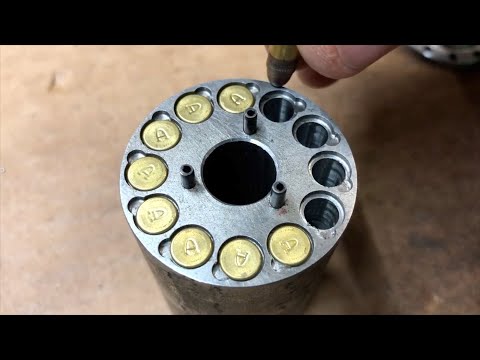
This video details a DIY attempt at home rifling using an inexpensive 'combo' button from Ukraine. Despite initial promise, the button exhibited manufacturing defects, and the process failed due to tool buckling and breakage. The experiment highlights the critical need for high-quality tooling and robust support systems in rifling, warning against the dangers and frustrations of under-equipped DIY attempts.

Quick Summary

DIY home rifling attempts with inexpensive buttons can fail due to manufacturing defects and process challenges. Proper heat treatment of 4140 steel involves heating to 1580°F, quenching, and tempering at 1200°F to achieve Rockwell C30 hardness. Ensure robust tooling support to prevent push rod buckling.

Chapters

  1. 00:00Intro: Cheap Rifling Buttons Available
  2. 02:45Combo Button Technical Overview
  3. 03:48Button Unboxing & Defects
  4. 07:17Machining & Heat Treating Barrel Blanks
  5. 12:21Tempering & Bore Prep
  6. 14:13Rifling Attempts & Failures
  7. 18:50Final Failure & Ruined Barrel
  8. 22:57Conclusion & Safety Warning

Frequently Asked Questions

What are the risks of using cheap, imported rifling buttons for DIY gunsmithing?

Cheap rifling buttons, often sourced internationally, can have significant manufacturing defects like uneven helixes and dull edges. Using such tools increases the risk of process failure, damaging the barrel bore and potentially causing equipment failure due to unexpected resistance.

How is 4140 steel typically heat treated for barrel making?

For barrel making, 4140 steel is typically heated to around 1580°F, then quenched (often in oil, which requires fire safety precautions). It's subsequently tempered at approximately 1200°F for about 30 minutes to achieve a target hardness of Rockwell C30.

What challenges can arise when attempting to push a rifling button?

Pushing a rifling button requires significant, consistent force. Challenges include CNC servo motors stalling under load, and hydraulic presses causing the push rod to buckle or bend, potentially leading to catastrophic failure and ruining the barrel's internal finish.

What safety precautions are necessary for DIY heat treating with oil quenching?

DIY heat treating involving oil quenching presents a significant fire hazard. Essential safety measures include having a fire extinguisher readily available, performing the process in a well-ventilated area away from flammable materials, and understanding the risks of oil ignition.

More Gunsmithing & DIY Videos You Might Like

More from markserbu

View all →