Swiss 1878

Published on November 13, 2025
Duration: 3:00

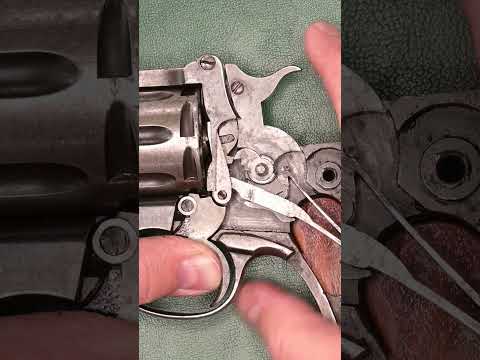
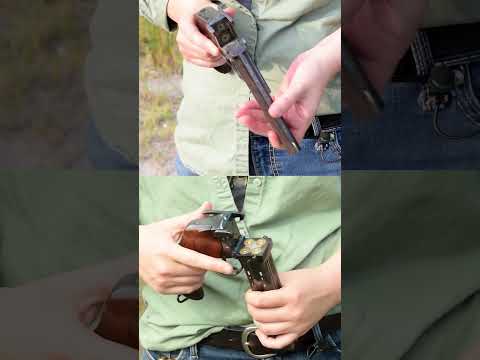
This guide details the unique loading and ejection process of the Swiss 1878 revolver, highlighting its manual cylinder indexing and specialized ejector system. The video emphasizes the firearm's mechanical intricacies, as explained by an expert with high authority.


Quick Summary

The Swiss 1878 revolver stands out with its unique design, including the absence of a loading gate and the use of manual cylinder indexing via front checkering. It operates in single/double action with an auto-rebound hammer and features a specialized flat-spring ejector rod system for casing ejection.

Chapters

  1. 00:00Introduction to the Swiss 1878
  2. 00:14Action and Mechanics
  3. 00:33The Missing Loading Gate
  4. 01:31Manual Indexing for Loading
  5. 02:00Ejector System

Frequently Asked Questions

What are the key unique features of the Swiss 1878 revolver?

The Swiss 1878 is notable for its lack of a loading gate, requiring manual cylinder indexing via checkering on the cylinder's front. It also features an auto-rebound hammer and a distinctive flat-spring ejector rod system.

How is the cylinder loaded and indexed on the Swiss 1878?

Loading involves manual indexing of the cylinder using the checkering on its front. Detents provide tactile and audible confirmation ('clonk') as each chamber aligns for feeding cartridges.

What type of action does the Swiss 1878 revolver have?

The Swiss 1878 revolver is capable of both single and double-action operation, offering versatility in how the hammer is cocked and the trigger is pulled.

What is special about the ejector rod on the Swiss 1878?

The ejector rod utilizes a flat spring mechanism that manages both its stowed position and the ejection of spent casings, providing distinct mechanical feedback during operation.

More Gunsmithing & DIY Videos You Might Like

More from C&Rsenal

View all →