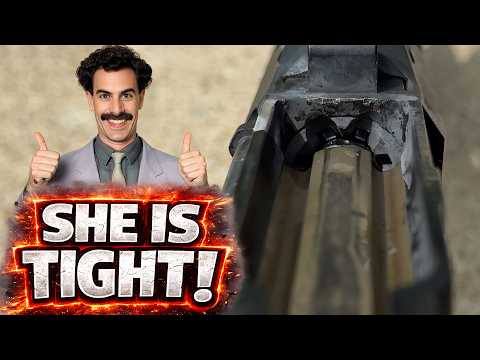
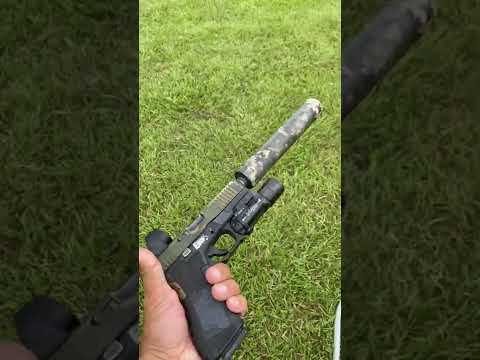
This may Ruffle Some Feathers | ADJUSTABLE GAS BLOCKS ON AR15’s.

Published on January 10, 2025
Duration: 2:04

This guide details troubleshooting common issues with adjustable gas blocks on AR-15 platforms, particularly those experiencing carbon buildup and seizing. It emphasizes thorough cleaning and highlights the potential for mechanical failure, such as snapped adjustment wrenches, rendering field repairs impossible. The video features Lucas, an experienced shooter, demonstrating practical knowledge of AR-15 systems and suppressor dynamics.

Quick Summary

Adjustable gas blocks on AR-15s can fail due to carbon buildup seizing the adjustment screw, making field repairs impossible, as demonstrated by a snapped wrench. This issue is often revealed when switching suppressors or firing unsuppressed. For long-term reliability, properly ported barrels are often preferred over adjustable blocks prone to seizing.

Chapters

  1. 00:00Introduction to AR-15 Gas Block Failure
  2. 00:11Rifle Specifications and Tuning
  3. 00:31Carbon Buildup and Reliability Issues
  4. 00:51Impact of Suppressor Backpressure
  5. 01:06Mechanical Failure: Snapped Wrench
  6. 01:26Conclusion: Adjustable Gas Blocks

Frequently Asked Questions

What causes AR-15 adjustable gas blocks to fail?

Adjustable gas blocks can fail primarily due to carbon buildup. This fouling restricts the gas port and can seize the adjustment screw, making it impossible to tune. This is exacerbated by long-term use and infrequent cleaning, especially when running suppressed.

Can an adjustable gas block on an AR-15 seize completely?

Yes, an adjustable gas block can seize completely due to carbon locking the set screw. This was demonstrated when the adjustment wrench snapped while trying to turn a seized screw, rendering field adjustments impossible and potentially requiring professional gunsmithing.

Is an adjustable gas block necessary for an AR-15?

While adjustable gas blocks allow for precise tuning, especially with suppressors, they introduce a potential point of failure. Many experts recommend using a properly ported barrel from the manufacturer for greater long-term reliability and less maintenance.

How does a suppressor affect AR-15 gas block tuning?

Suppressors increase backpressure, which can mask issues with an improperly tuned or over-gassed AR-15. Switching from a high-backpressure suppressor to a lower-pressure one, or unsuppressed fire, can reveal cycling problems caused by a gas block tuned too close to its limit.

Related News

All News →

More Gunsmithing & DIY Videos You Might Like

More from Barrel & Hatchet

View all →