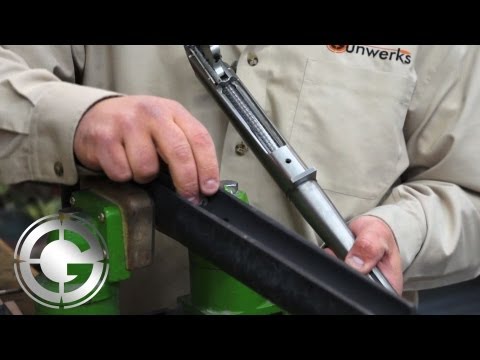
EP 151: Performance Muzzleloading | Product Insights

Published on June 12, 2024
Duration: 47:18

This episode of the Long Range Pursuit podcast delves into the performance and practicalities of modern muzzleloaders. Experts discuss caliber selection, bullet types, and the evolution of ignition systems, highlighting how contemporary muzzleloaders offer significant ballistic advantages over traditional straight-wall cartridges. They emphasize the importance of understanding state-specific regulations and the benefits of muzzleloader hunting for increased tag opportunities and a more intimate hunting experience.

Quick Summary

Modern muzzleloaders offer significant advantages, including better ballistics than straight-wall cartridges and increased opportunities for drawing tags. The 45 caliber is often preferred for its balance of power and manageable recoil, while understanding state-specific regulations for calibers, bullets, and sights is crucial for a successful hunt.

Chapters

  1. 00:00Introduction to Long Range Pursuit Podcast
  2. 00:35Excitement for Muzzleloaders at Gunwerks
  3. 01:12Jim Seir's Muzzleloader Hunting Background
  4. 02:00Early Muzzleloader Hunting Experiences
  5. 03:31Evolution of Muzzleloader Technology
  6. 04:36Why Hunt with a Muzzleloader?
  7. 05:55Modern Muzzleloader Capabilities
  8. 07:38Diving into Muzzleloader Mechanics
  9. 08:06Understanding Muzzleloader Loading
  10. 09:08Muzzleloader vs. Centerfire Rifle
  11. 10:39Muzzleloader Kit Essentials
  12. 11:11Analogy to Archery Hunting
  13. 12:04Selecting the Right Muzzleloader
  14. 13:20Muzzleloader Caliber Choices (45 vs 50)
  15. 14:32Bullet Selection: Sabots vs. Powerbelts
  16. 15:01State-Specific Muzzleloader Regulations
  17. 17:48Wind's Impact on Muzzleloader Shooting
  18. 20:12Sighting System Considerations (Scopes vs. Open Sights)
  19. 22:22The Role of Technology in Hunting
  20. 25:33Revic Exo Site and Open Sights
  21. 28:22Muzzleloader Ignition Systems
  22. 31:52Bullet Technology and Twist Rates
  23. 33:14Muzzleloader Recoil and Brakes
  24. 33:32Critical Muzzleloader Safety
  25. 37:16State-Specific Optic Regulations
  26. 38:31Muzzleloader Model Considerations (MZ5)
  27. 41:03Muzzleloader Ballistics vs. Straight Wall
  28. 43:05The Opportunity of Muzzleloader Hunting
  29. 44:11Parting Thoughts on Muzzleloaders
  30. 46:07Conclusion and Call to Action

Frequently Asked Questions

What are the advantages of hunting with a muzzleloader?

Muzzleloader hunting often provides better odds of drawing tags, dedicated seasons that can coincide with the rut, and a more challenging, intimate experience in the field. Modern muzzleloaders offer impressive accuracy and range, rivaling some centerfire rifles.

What caliber muzzleloader is generally recommended?

The 45 caliber muzzleloader is typically recommended for its superior ballistics and reduced recoil compared to larger calibers. However, 50 caliber may be necessary for very large game or to meet specific state regulations, such as Colorado's requirement for elk hunting.

How does muzzleloader wind drift compare to centerfire rifles?

The wind's effect on muzzleloader bullets is generally about double that experienced with a centerfire rifle. This means shooters need to account for significantly more wind drift, requiring more precise wind calls and holdovers at distance.

What are key safety considerations when loading a muzzleloader?

Critical safety measures include avoiding double loads (two powder charges without a bullet) and double charges (twice the powder with one bullet), as these can cause catastrophic firearm failure. Always ensure the firearm is unloaded when not actively loading, and maintain a strict loading and cleaning sequence.

More Hunting & Outdoors Videos You Might Like

More from Gunwerks

View all →