Factory to Table: Part - 8

Published on January 29, 2020
Duration: 15:56

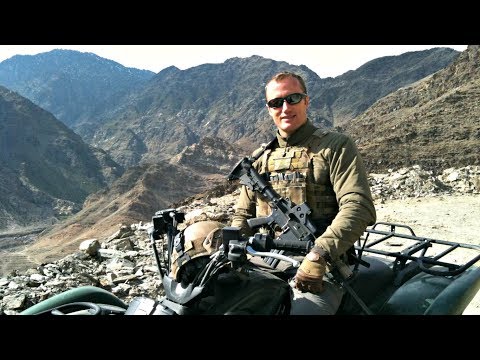
This video details the challenges and eventual successes of a hunting expedition as part of the "Factory to Table" series. The presenter, Ivan from KitBadger.com, recounts attempts at spring and fall bear hunting in Idaho, facing issues with baiting, weather, and small game. He then shifts to deer hunting, encountering pressure on public land and distractions on private property, ultimately taking a buck during the rut. The series concludes with a trip to Texas for wild hog hunting, utilizing thermal optics and facing initial difficulties before a successful shot with subsonic .300 Blackout ammunition.

Quick Summary

Hunting with subsonic 300 Blackout ammunition requires precise shot placement, similar to using a compound bow. Thermal optics can hinder distance judgment, making integrated laser rangefinders essential for accurate shots. Factors like bait drying up and weather can disrupt hunting success, and tracking wounded animals in dense terrain demands patience and persistence.

Chapters

  1. 00:00Introduction
  2. 00:10Factory to Table Series Intro
  3. 00:16The Hunt Begins
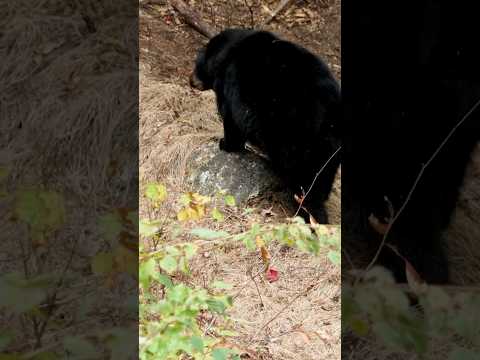
  4. 00:48Spring Bear Season Attempt
  5. 01:05Subsonic .300 BLK Hunting Challenges
  6. 01:16Baiting for Bears
  7. 01:36Spring Busy Schedule
  8. 01:59Last Day of Spring Season
  9. 02:14Waiting for Fall Bear Season
  10. 02:20Fall Bear Season Progress
  11. 03:00Weather Impacts Hunting
  12. 03:22Transition to Deer Season
  13. 04:01Deer Hunting Options
  14. 04:08Hunting on Private Property
  15. 04:25Hunting on Public Land
  16. 04:34Hunting Challenges and Distractions
  17. 05:22Final Week of Deer Season
  18. 05:36Cruising Logging Roads
  19. 05:43Spotting a Buck
  20. 06:02The Shot Opportunity
  21. 06:26Taking the Shot
  22. 06:31Sense of Relief
  23. 07:10Post-Shot Assessment
  24. 07:28Animal Resurfaces
  25. 07:34Attempting Follow-up Shots
  26. 08:02Tracking the Animal
  27. 08:17Search for the Lost Animal
  28. 08:30Devastation of Losing Game
  29. 09:06Daily Hunting Efforts
  30. 09:31Seeking New Hunting Opportunities
  31. 09:41Trip to Texas for Wild Hogs
  32. 09:50Hunting with Todd Huey
  33. 10:10Texas Hog Hunting Adventure
  34. 10:35Preparing for Night Hunt
  35. 10:41Pulsar Thermal Optic Setup
  36. 11:04Night Hunt Challenges
  37. 11:24Initial Shot and Misses
  38. 12:08Second Attempt
  39. 12:22Locating the Hogs
  40. 12:51Using Thermal for the Shot
  41. 13:01Final Approach and Shot Setup
  42. 13:21Laser Rangefinder Use
  43. 13:46Taking the Final Shot
  44. 14:14Successful Shot Confirmation
  45. 14:22Ammunition Details
  46. 14:31The Journey and Adventure
  47. 14:41Challenges of Filming Hunts
  48. 15:15Game Taken with Mini-Fix
  49. 15:22Rounding Out the Series
  50. 15:25Conclusion and Next Steps
  51. 15:42Outro

Frequently Asked Questions

What are the challenges of hunting with subsonic 300 Blackout ammunition?

Hunting with subsonic 300 Blackout ammunition is comparable to using a compound bow, requiring precise shot placement and careful consideration of effective range due to its reduced velocity and trajectory. This necessitates a thorough understanding of the firearm's capabilities and the target's anatomy.

How does thermal optics impact hunting accuracy, and what is recommended?

Thermal optics can make it difficult to judge distance due to the lack of depth perception. To overcome this, it's highly recommended to use a thermal optic with an integrated laser rangefinder, such as the Pulsar Trail LRF, to ensure accurate distance measurements before taking a shot.

What factors can disrupt bear baiting success?

Bear baiting success can be significantly impacted by the bait going dry, which may cause bears to stop visiting the site. Additionally, factors like weather, human activity, and the presence of smaller, less desirable bears can influence the effectiveness of baiting strategies.

What are the key considerations when tracking a wounded animal in dense terrain?

When tracking a wounded animal in dense terrain, a sparse blood trail can be a concerning sign, indicating the animal may still be mobile and difficult to recover. It's crucial to remain patient but persistent, while also being aware of the potential for the animal to move further into inaccessible areas.

Related News

All News →

More Hunting & Outdoors Videos You Might Like

More from Kit Badger

View all →