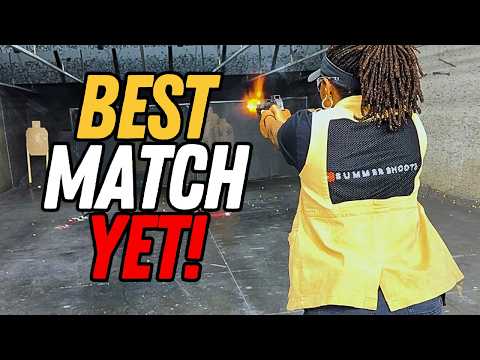
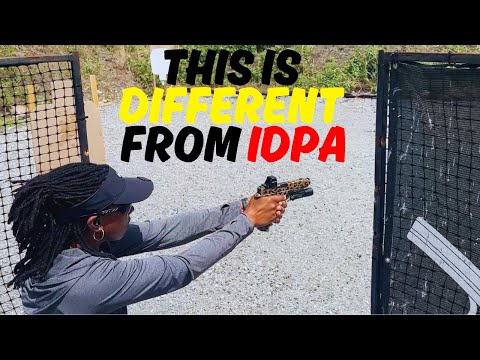
Another Saturday, Another IDPA Match!

Published on May 31, 2026
Duration: 14:09

This video documents a participant's experience at a local IDPA match, emphasizing the continuous need for training to achieve competitive goals. The shooter focuses on improving speed while maintaining accuracy, highlighting the importance of follow-up shots, grip, and trigger pull. The content showcases various stages of the match, including limited stages and stages with non-threat targets, offering insights into strategic decision-making under pressure.


Quick Summary

A shooter at an IDPA match focuses on enhancing speed and accuracy, emphasizing consistent training, improved follow-up shots, grip, and trigger control. The video highlights challenges like limited stages, non-threat targets, and strategic reloading, offering insights for competitive shooters to identify and work on weaknesses.

Chapters

  1. 00:00Intro & Training Philosophy
  2. 00:11Location: Mission 160, White, Texas
  3. 00:19Preparing for Major Matches
  4. 00:41Focus on Speed and Accuracy
  5. 00:55Improving Follow-Up Shots
  6. 01:16Starting the First Stage
  7. 01:34Stage 1: Limited Stage Analysis
  8. 02:32Stage 2: Zigzag Option Strategy
  9. 03:00Stage 3: Dealing with Non-Threats
  10. 04:35Stage 4: Quick Stops and Shots
  11. 05:15Stage 5: Unexpected Obstacle
  12. 06:35Stage 5 Lessons Learned
  13. 06:58Final Stage: Reload Strategy Error
  14. 07:22Family Support & Video Closeout
  15. 07:34Last Stage Brain Fart & Reload Cost
  16. 07:52Match Results & Overall Reflection
  17. 08:10Continuous Improvement & Advice
  18. 08:33Outro & Call to Action

Frequently Asked Questions

What is the primary focus for the shooter in this IDPA match?

The shooter's primary focus in this IDPA match is to increase their speed while maintaining accuracy. They are working on integrating speed and accuracy, particularly improving follow-up shots, grip, and trigger control to achieve their competitive goals.

What are some common challenges faced in IDPA matches, as shown in the video?

Challenges include dealing with limited stages where missed shots are costly, accurately engaging multiple targets, avoiding non-threat targets, and managing magazine capacity rules. Unexpected obstacles like vision barriers and strategic reloading decisions also present challenges.

What advice does the shooter give for improving in competitive shooting?

The shooter emphasizes consistent training and practice. They advise identifying weaknesses after each match and actively working to strengthen them, while also continuing to perfect existing strengths. Participating in local matches is also recommended.

Why is outdoor practice important for competitive shooters?

Outdoor practice is important because most major competitive shooting matches, including IDPA, are held outdoors. Training in an outdoor environment helps shooters adapt to the conditions, lighting, and other factors they will encounter in larger events.

More Range & Competition Videos You Might Like

More from Summer Shoots

View all →