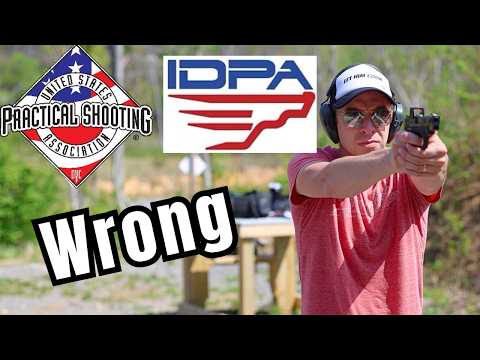
Why Beginners Fail at Competitive Shooting (Watch This First!)

Published on April 30, 2026
Duration: 6:02

This guide offers advice for beginners entering competitive shooting. Key recommendations include establishing a consistent dry-fire program for fundamental skills like draws and reloads, thoroughly understanding the rules of the sport, and starting with local club matches using existing gear. The emphasis is on a gradual learning process, managing expectations, and avoiding immediate expensive gear purchases.


Quick Summary

For beginners in competitive shooting, a consistent dry-fire program focusing on draws, sight tracking, and reloads is crucial for accelerating the learning curve. Avoid immediate expensive gear purchases; start with what you have and attend local club matches. Learning the rules and managing expectations are key to a positive initial experience.

Chapters

  1. 00:03Introduction for New Shooters
  2. 00:39The Importance of Dry Fire Training
  3. 01:34Gear and Expectations for First Matches
  4. 01:57Learning the Rules and Managing Expectations
  5. 02:20Common Mistakes and Penalties
  6. 03:16Choosing Your First Match: Club vs. Major
  7. 03:56Benefits of Indoor Matches for Beginners
  8. 04:21Dry Fire vs. Match-Only Training
  9. 05:03Recommended Resources for Dry Fire
  10. 05:20Final Advice for New Competitive Shooters

Frequently Asked Questions

What is the most crucial preparation for a beginner entering competitive shooting?

The most crucial preparation for beginners in competitive shooting is implementing a consistent dry-fire program. This practice should focus on fundamental skills like drawing the firearm, tracking sights or dots between targets, and executing efficient reloads. Consistent dry-fire significantly accelerates the learning curve and builds foundational proficiency before live-fire matches.

Should beginners buy expensive gear for their first competitive shooting matches?

No, beginners should not feel pressured to buy expensive gear for their first competitive shooting matches. It is recommended to start with the equipment you currently own. Experienced shooters at club matches are generally helpful and can guide you on appropriate divisions and gear as you progress, ensuring you are not overwhelmed or out-equipped initially.

What type of matches are best for a beginner's first competitive shooting experience?

For a beginner's first competitive shooting experience, local club matches are highly recommended. These events typically feature less complex stages, fewer targets, and lower round counts compared to higher-level competitions. Indoor matches can also be beneficial for introducing consistency in stage planning and gear assessment in a controlled environment.

Is it better to learn competitive shooting through dry-fire or just by shooting matches?

It is significantly more effective to learn competitive shooting through a structured dry-fire program combined with match participation. Relying solely on learning through matches ('attrition') is a much slower process. Dry-fire allows you to isolate skills, practice efficiently, and build a solid foundation, making your progress in actual matches much faster and more substantial.

Related News

All News →

More Range & Competition Videos You Might Like

More from Richardson Precision & Training

View all →