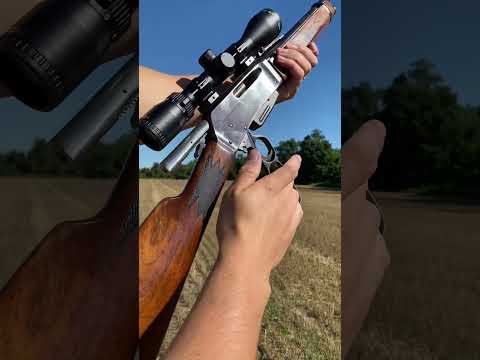
19th century Pistol

Published on April 1, 2022
Duration: 0:12

This video showcases a 19th-century percussion pistol, detailing its unboxing and visual inspection. The presenter, a collector, highlights key features like the engraved lock plate, wood stock, and percussion mechanism. The focus is on the mechanical and aesthetic details of this antique firearm.

Quick Summary

A 19th-century percussion pistol is characterized by its ignition system using a percussion cap, often featuring decorative elements like an engraved lock plate, a traditional wood stock, and an integrated ramrod. Barrel finishes can range from blued to a natural patina, reflecting its age and history.

Chapters

  1. 00:00Unboxing
  2. 00:07Visual Inspection

Frequently Asked Questions

What are the key features of a 19th-century percussion pistol?

A 19th-century percussion pistol typically features a percussion cap ignition system, an engraved lock plate, a wood stock, and often an integrated ramrod for loading. Barrel finishes can vary from blued to a natural patina.

How does a percussion cap ignition system work?

The percussion cap system uses a small, sensitive cap filled with explosive material. When struck by the hammer, it detonates, sending a flame through a small hole (nipple) to ignite the main gunpowder charge in the barrel.

What is the purpose of a ramrod on a muzzle-loading pistol?

A ramrod is used to firmly seat the gunpowder charge and the projectile (ball or bullet) against the powder in the barrel of a muzzle-loading firearm. This ensures efficient ignition and consistent performance.

What does 'patina' refer to on an antique firearm?

Patina on an antique firearm refers to the natural aging and oxidation of the metal surfaces over time. It's a desirable characteristic for collectors as it indicates authenticity and age, often appearing as a dull, dark, or slightly textured finish.

More Reviews Videos You Might Like

More from Canadian Classics

View all →