History of WWI Primer 004*: Ruby 1915 Documentary

Published on August 8, 2023
Duration: 68:56

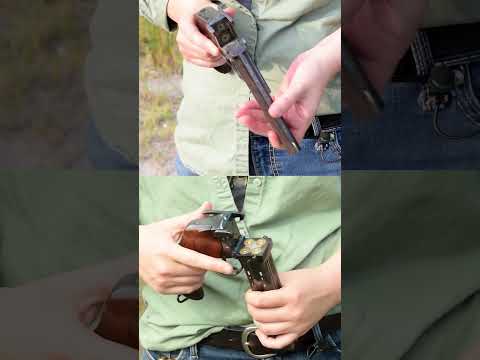
This video provides an in-depth review and historical context of the Spanish-made Ruby pistol, adopted by France during WWI. It details the pistol's design origins, its production challenges, its widespread adoption by various nations, and its technical specifications, including its blowback operation, magazine capacity, and safety features. The presenter highlights its simplicity, affordability, and effectiveness as a military sidearm, while also discussing common issues like firing pin failures and magazine compatibility.

Quick Summary

The Ruby pistol, a Spanish-made .32 ACP semi-automatic, became a crucial sidearm for the French Army in WWI due to its affordability and rapid production. Heavily influenced by Browning designs, it featured a simple blowback operation, a 9-round magazine, and a forward-mounted safety, though firing pin failures and magazine incompatibility were common issues.

Chapters

  1. 00:21Introduction: The Ruby Pistol
  2. 00:30Physical Specifications: Weight & Length
  3. 00:58Caliber and Magazine Capacity
  4. 01:04Episode Rework and Sponsor Mention
  5. 02:58The Inventor: Pedro Carriaga
  6. 03:57Browning's Influence: Model 1900 & 1903
  7. 04:36Carriaga's Design Evolution
  8. 06:02Spanish Patent Law and Copying
  9. 07:23Legal Challenges and Manufacturer Meeting
  10. 08:10Esperanza y Unceta and the Kempogiro Pistol
  11. 08:35Factory Expansion to Guernica
  12. 09:06Labor Disputes and Strikes
  13. 10:09Factory Rebound and New Ventures
  14. 11:01Company Name Changes and Branding
  15. 11:13International Marketing and Trademark Issues
  16. 12:07Victoria Becomes Astra
  17. 12:15Industrial Powerhouse and Market Cool-down
  18. 13:04The Great War and Arms Demand
  19. 13:17French Firearm Shortages
  20. 14:13Commercial Market Acquisition
  21. 15:33Spanish .32 ACP Pistols for France
  22. 16:00Gabilondo y Urresti and the Ruby Pistol
  23. 17:03Examining the Gabilondo Ruby Pistol
  24. 17:49Design Simplicity and Construction
  25. 19:10Carriaga's Safety and Takedown Mechanism
  26. 20:09Internal Components: Recoil Spring and Hammer
  27. 21:18Disassembly and Reassembly Overview
  28. 21:38Comparison: Ruby vs. Colt 1903
  29. 22:22Comparison: Ruby vs. FN Vest Pocket
  30. 23:10Internal Animation: Firing Mechanism
  31. 24:45Sear and Hammer Interaction
  32. 25:24Extractor and Ejector Function
  33. 25:47Shooting Demonstration
  34. 27:11French Contracts and Production Numbers
  35. 28:27Italian Demand and Procurement
  36. 30:00Victoria and Ruby Patterns in Italy
  37. 30:55Gabilondo's Production Challenges
  38. 31:17Factory Relocation and Subcontracting
  39. 32:00Competitors and Direct Deals
  40. 32:15Price and Market Dynamics
  41. 32:33Service Life and Reliability Concerns
  42. 33:07Common Ruby Pistol Problems
  43. 33:59Magazine Compatibility Issues
  44. 36:09Varieties of Carriaga-Type Pistols
  45. 37:01Internal Variations Between Manufacturers
  46. 37:46Firing Pin Retention Pin Variations
  47. 38:07Overall Production Numbers and Attrition
  48. 39:04Service Use by Different Nations
  49. 40:49Post-War Modifications: Safety Rivet
  50. 42:40Later Conflicts and Service Life
  51. 43:47Legacy of Pedro Carriaga
  52. 44:12Guest Interview: French Perspective
  53. 45:09Ruby vs. Revolver 1892: First Impressions
  54. 46:06Semi-Automatic Advantages: Weight & Balance
  55. 46:26Magazine Capacity and Reloading Speed
  56. 48:16Grip and Serrations
  57. 48:44Slide Operation and Trigger Pull
  58. 49:58Trigger Reset and Feel
  59. 51:04Grip Thickness and Comfort
  60. 52:24Safety Lever Design and Functionality
  61. 54:29Sights: Design and Usability
  62. 55:43Recoil and Firing Experience
  63. 57:14Ruby vs. Colt 1903: Battlefield Choice
  64. 58:00Reliability Concerns and Attrition Rate
  65. 61:14Dry Firing Risks on Spanish Guns
  66. 62:13Ruby vs. Savage 1907 Comparison
  67. 63:58Contracted vs. Early Purchases
  68. 64:18Episode Conclusion and Future Content
  69. 66:39Lost Patent Records
  70. 67:23Webley Kaufman Issues
  71. 67:48Sherlock Hound Anime Reference
  72. 68:34Firing Pin Functionality

Frequently Asked Questions

What is the Ruby pistol and why was it significant during WWI?

The Ruby pistol was a Spanish-made semi-automatic handgun, primarily chambered in .32 ACP, that saw extensive service with the French Army during World War I. Its significance stemmed from its affordability, ease of production, and the urgent need for sidearms to supplement the French military's limited revolver supply.

What were the main design influences for the Ruby pistol?

The Ruby pistol's design was heavily influenced by John Browning's successful patents, particularly the FN 1903 and FN 1906 Vest Pocket models. Spanish gunsmiths like Pedro Carriaga adapted and simplified these designs, incorporating features like a shrouded hammer and a forward-mounted manual safety.

What were the common problems associated with the Ruby pistol?

The most frequent issues with the Ruby pistol involved the firing pin, which could break, mushroom, or stick, leading to malfunctions. Magazine compatibility between different manufacturers was also a significant problem, often requiring pistols to be paired with their original magazines.

How many Ruby pistols were produced and used during WWI?

Estimates suggest that nearly one million Ruby pistols were sent to France during WWI. Italy also procured significant numbers. While exact total production figures are difficult to ascertain, the scale of French contracts alone indicates massive output.

More Reviews Videos You Might Like

More from C&Rsenal

View all →