History of WWI Primer 120: Romanian Revolver 1915 Documentary

Published on March 10, 2020
Duration: 58:00

The Romanian Revolver 1915, often an Antonio Errasti Model 1915, is a Spanish-made firearm characterized by extremely poor construction, questionable metallurgy, and frequent damage to critical components like the forcing cone. While it superficially resembles earlier gas-seal designs, it lacks the gas seal and is prone to catastrophic failure. The video strongly advises against shooting these revolvers due to safety concerns, highlighting their unreliability and the high risk of breakage.

Quick Summary

The Romanian Revolver 1915 (Antonio Errasti Model) is a Spanish-made WWI firearm notorious for its extremely poor construction, questionable metallurgy, and frequent safety issues like cracked forcing cones. Most were rechambered to .38 S&W and are considered unreliable and unsafe to shoot.

Chapters

  1. 00:00Introduction: Arms Shortages and Romania's Choice
  2. 00:38Identifying the Spanish Antonio Errasti Model 1915 Revolver
  3. 01:15Royal Lineage: Descended from Henri Pieper's Designs
  4. 03:08The Pieper System: Galand-Style Action and Gas Seal
  5. 06:00William Gras and the Simplified Gas Seal Revolver
  6. 08:06Spanish Copying of the Gras Action
  7. 09:10Eibar: The Spanish Arms Making Community
  8. 10:26Spanish Firms Copying the Bayard/Gras Style
  9. 10:47Antonio Errasti's Pre-War Work
  10. 11:14French Model 1892 Revolver Influence
  11. 12:12Manufrance and French Service Revolvers
  12. 13:30France Turns to Eibar Production for Handguns
  13. 14:54Spanish Markings on French Model 1915 Variants
  14. 16:00Antonio Errasti's Model 1915 Production
  15. 16:14Closer Look at the Errasti Model 1915
  16. 17:34Encountering the Revolver in the Wild: Crude Construction
  17. 18:33Questionable Metallurgy and Damaged Forcing Cones
  18. 19:03Unique Barrel Attachment: The Set Screw
  19. 19:59What Makes This a Romanian Model?
  20. 21:09Identifying Romanian Examples: The Intertwined C&R Mark
  21. 22:38Animation: How the Revolver Works
  22. 24:25Pre-Combat History and Errasti's Intentions
  23. 25:33Why This Model Instead of an 1892 Clone?
  24. 26:13Errasti's Company Growth and Failed Plans
  25. 27:02Mae Shoots the Revolver 1915
  26. 28:50Quick Review: Pieper to Gras to Spanish Copies
  27. 30:04Romania's Need for Handguns During WWI
  28. 31:42Romanian Contract for the Model 1915
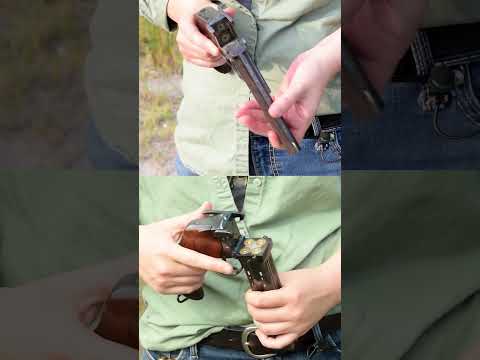
  29. 32:24Errasti Bayard Revolvers: 8mm vs. .38 S&W Conversions
  30. 33:14Romania Enters the War and Faces Challenges
  31. 33:40Overhaul of the Romanian Army and Re-equipment
  32. 34:15The Russo Chinois Style Continues
  33. 34:43The Demonstration Piece: Firing a .38 Caliber Stand-in
  34. 35:06Critical Warning: Do Not Repeat This at Home
  35. 36:11Mae's Opinion on Handling the Gun
  36. 37:47Ergonomics: First Impressions vs. Deeper Handling
  37. 38:54The Safety Mechanism: Stiff and Awkward
  38. 39:36Cylinder Swing-Out and Gritty Operation
  39. 39:59Hand-Fitted Parts and Crooked Sights
  40. 40:16POV Edit Difficulty Due to Misaligned Sights
  41. 41:17Sights: Low, Rounded, and Out of Focus
  42. 41:36Creaky Feeling and Sound of the Revolver
  43. 41:51Top Strap Bent in Different Directions
  44. 42:23Overall Ergonomic Impression: Getting Bad
  45. 42:43Shooting the Revolver: Extreme Caution Advised
  46. 43:43Cocking the Hammer: Awkward Placement and Stiffness
  47. 44:59Single-Action Trigger Pull: Heavy and Snaggy
  48. 45:36Double-Action Trigger Pull: Even Heavier
  49. 46:28Sights and Accuracy: Terrible Grouping
  50. 47:15Recoil: Surprisingly Controllable
  51. 47:31Grip: Okay, but Hammer and Trigger are Not
  52. 48:10The Gun Fights You: Cartridge Irrelevant
  53. 48:21Reichsrevolver vs. Romanian Revolver 1915
  54. 49:03Desperation: Choosing Between the Worst Handgun and Nothing
  55. 51:25Functional, But Insanely Poor Firearm
  56. 52:21Desperation Makes for Interesting Results
  57. 52:33The World War One Liberator
  58. 53:35Worth a Laugh, But Tells a Story of Desperation
  59. 53:43War of Attrition and Arms Desperation
  60. 53:58Poorly Made vs. Poorly Designed Guns
  61. 54:32The Genius of the Set Screw Barrel Attachment
  62. 55:05Soft Metal vs. Poor Construction
  63. 55:16Design vs. Execution: The Revolver's Flaws
  64. 55:33Conclusion: The Little Good and the Majority Bad
  65. 56:14Channel Updates: Next Episode and Support

Frequently Asked Questions

What is the Romanian Revolver 1915 and why is it notable?

The Romanian Revolver 1915, often an Antonio Errasti Model 1915, is a Spanish-made firearm from WWI. It's notable for its extremely poor construction, questionable metallurgy, and frequent safety issues, making it one of the worst handguns of the era.

What are the main safety concerns with the Romanian Revolver 1915?

The primary safety concerns include cracked or blown-out forcing cones, weak metallurgy leading to potential catastrophic failure, and often misaligned sights. The firearm is prone to breaking down even after repairs.

What is the typical condition and chambering of Romanian Revolver 1915s found today?

While originally chambered in 8mm Ordnance, most Romanian Revolver 1915s encountered today have been rechambered to .38 Smith & Wesson for the commercial market. Their construction is crude, with misaligned parts and sights.

Is the Romanian Revolver 1915 recommended for shooting or self-defense?

No, it is strongly advised against shooting this firearm due to extreme safety risks. It is considered a 'World War One Liberator' due to its poor quality and unreliability, making it unsuitable for any practical use.

More Reviews Videos You Might Like

More from C&Rsenal

View all →