Special: The Best and the Worst Great War Revolvers

Published on February 6, 2024
Duration: 64:35

This video ranks revolvers used during World War I, evaluating them based on action type, ergonomics, reliability, and cartridge effectiveness. It highlights the decline of single-action revolvers and the rise of more modern designs like the Colt and Smith & Wesson 1917 models, which utilized .45 ACP with moon clips for rapid reloading. The presenters, experienced firearms enthusiasts, provide detailed critiques of each model, from the poorly made Romanian 1915 to the highly regarded top-tier revolvers.

Quick Summary

The Colt 1917 and Smith & Wesson 1917 revolvers are considered top performers from the Great War era due to their .45 ACP chambering with moon clips for rapid reloading, robust construction, and reliable actions. These features made them highly effective military sidearms, surpassing many older designs.

Chapters

  1. 00:00:00Introduction: Great War Revolvers
  2. 00:04:31Worst: Reich's Revolver Analysis
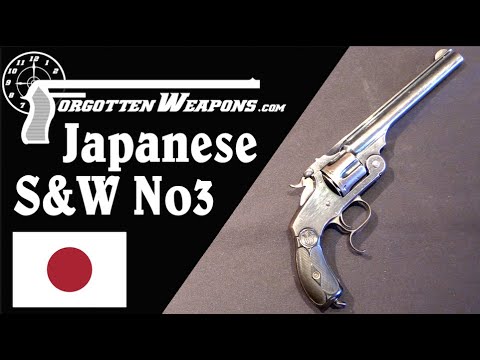
  3. 00:07:13Smith & Wesson No. 3 (Russian Third Model)
  4. 00:10:49Romanian 1915: Poor Spanish Manufacturing
  5. 00:13:41Gasser 1870/74: Size and Exposed Spring Issues
  6. 00:18:01Chamelot-Delvigne 1873/74: Manual Rebounder
  7. 00:20:44Bodeo 1889: Iron Frame and Weak Cartridge
  8. 00:26:31Russian Nagant 1895: Gas Seal Complexity
  9. 00:29:30Spanish M1892: Lack of Trust
  10. 00:31:19Belgian Nagant 1878/86: Ergonomics vs. Black Powder
  11. 00:33:36Oná: Top Break and Auto Rebounding Hammer
  12. 00:37:12Rast & Gasser 1898: Eight Rounds and Speed
  13. 00:40:14Japanese Type 26: Double Action Only
  14. 00:42:25French M1892: Ruggedness vs. Wrong Side Ejection
  15. 00:45:13Colt New Army/Navy: Falling Out of Time
  16. 00:48:15Webley Mk VI: Marksman's Revolver
  17. 00:51:05Colt Army Special: Smooth and Reliable
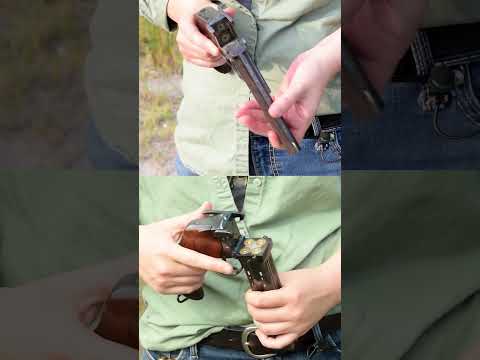
  18. 00:53:49Colt New Service / 1917: Moon Clip Advantage
  19. 00:56:55Smith & Wesson 1917 (Triple Lock): The King of Revolvers
  20. 01:00:45Final Rankings and Conclusion

Frequently Asked Questions

What were the main criteria for ranking Great War revolvers?

Revolvers were ranked based on their action type (single, double, triple), ergonomics and handling comfort, reliability and build quality, cartridge effectiveness for stopping power, and speed of loading/unloading. Historical context and technological advancements like swing-out cylinders and moon clips also played a significant role.

Which revolvers were considered the worst from the Great War era?

The Reich's Revolver and the Romanian 1915 are highlighted as particularly poor performers. The Reich's Revolver suffered from outdated single-action design and slow operation, while the Romanian 1915 was plagued by extremely low manufacturing quality, including a barrel secured by a set screw.

What made the Colt and Smith & Wesson 1917 revolvers stand out?

The Colt 1917 and Smith & Wesson 1917 (Model 1917) are top-ranked due to their chambering of .45 ACP with moon clips, enabling very rapid loading and unloading. They also feature robust construction, good ergonomics, and reliable actions, making them highly effective military sidearms.

How did the gas-seal system of the Nagant 1895 affect its performance?

The Nagant 1895's gas-seal system aimed to increase bullet velocity and reduce fouling by sealing the cylinder gap. However, it added significant complexity to the mechanism, resulting in a heavy double-action trigger pull and making the revolver more difficult to time and maintain.

More Reviews Videos You Might Like

More from C&Rsenal

View all →