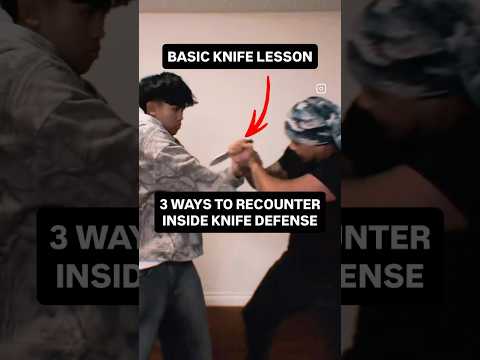
5 Tactical Counters To The Most Common Knife Attacks

Published on August 22, 2025
Duration: 5:06

This video demonstrates five tactical counters to common knife attacks, emphasizing evasion, rapid defense, and decisive counter-offensives. The techniques cover various scenarios, including common attack sequences, the 'caveman' attack, and close-distance engagements. The instruction highlights the importance of controlling the weapon-bearing limb, creating openings through movement like elbow rolls, and transitioning to control or further offensive actions.


Quick Summary

Defending against knife attacks involves evasion, rapid defense, and decisive counter-attacks. Key techniques include blocking and tapping the weapon arm, transitioning to outside lines, and using movements like elbow rolls to create openings. Controlling the attacker's weapon-bearing limb and creating distance are vital for survival.

Chapters

  1. 00:01Cutting Your Way Out of Entanglement
  2. 00:51Countering the 'Caveman' Attack
  3. 02:01Crashing In and Controlling the Limb
  4. 02:31Direct Attack Counter
  5. 03:07Hammer Lock and Control
  6. 04:03Knife vs. Knife Technique
  7. 04:33Stalemate Position Counter

Frequently Asked Questions

What are key principles for defending against a knife attack?

Key principles include evasion to get out of the line of attack, rapid defense with blocks and taps, and decisive counter-attacks. Maintaining control of the weapon-bearing limb and creating distance or advantageous angles are also crucial for survival.

How can one counter a common two-strike knife attack?

To counter a two-strike attack, evade the initial strikes, execute a quick block and tap on the attacker's weapon arm, and then proceed with a direct counter-attack if the opportunity arises. If the initial defense is met, transition to an outside line and cut on the way out.

What is the 'caveman' attack sequence in knife defense?

The 'caveman' attack sequence typically involves two basic, often unrefined, strikes. When defending against this, especially if using a reverse grip, immediately target the attacker's neck and be prepared to follow up if the initial defense is blocked.

How can you create an advantage when an attacker is pushing forward?

When an attacker pushes forward, you can crash in to control their weapon-bearing limb, pull them down, and then stand up to cut. Alternatively, maintain pressure, influence their arm structure to create a hammer lock, and use that control to wait them out or inflict further damage.

More Self Defense Videos You Might Like

More from Funker Tactical - Fight Training Videos

View all →