Domestic Dispute Turns Deadly: First Person Defender | S7 E7

Published on October 5, 2019
Duration: 20:42

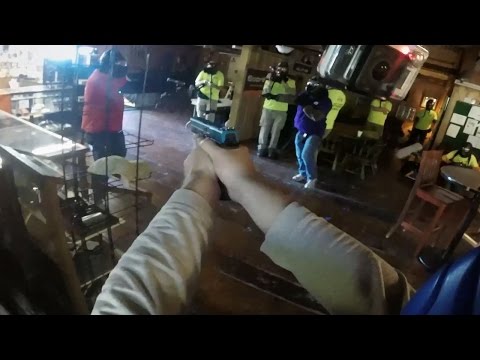
This episode of First Person Defender explores the complexities of intervening in domestic disputes as a concealed carrier. It highlights the critical importance of recognizing 'danger cues' like a suspect reaching for a waistband and reacting immediately. The training emphasizes that hesitation can be fatal, and a swift, decisive response is necessary when a firearm is produced, even in a situation that initially appears to be a domestic argument.

Quick Summary

The key takeaway from the domestic dispute scenario is the critical need to recognize 'danger cues,' like a suspect reaching for their waistband, and react immediately. Hesitation in a deadly force situation is dangerous; swift, decisive action is required when a threat is presented.

Chapters

  1. 00:00Introduction & Safety Disclaimer
  2. 00:40Scenario Setup: Domestic Disputes
  3. 01:49Scenario 1: Failure to Intervene
  4. 04:41Debrief: Suicide vs. Homicide
  5. 07:37Tactical Tip: Shooting from Seated Position
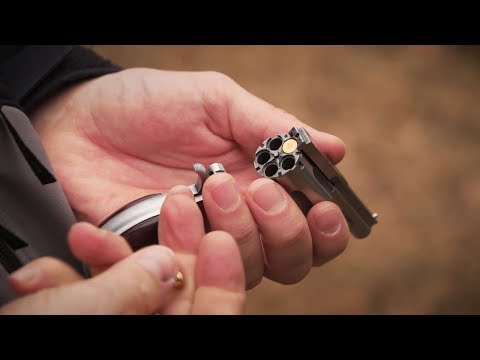
  6. 09:54Product Spotlight: Streak Ammo & Ruger LCR
  7. 11:51Scenario 2: Successful Intervention
  8. 14:38Final Analysis: Danger Cues

Frequently Asked Questions

What is the primary lesson from the domestic dispute scenario in First Person Defender?

The primary lesson is the critical importance of recognizing 'danger cues,' such as a suspect reaching for a waistband, and reacting immediately. Hesitation in a deadly force situation can have fatal consequences, emphasizing the need for swift, decisive action when a threat is presented.

When should a concealed carrier intervene in a domestic dispute?

Intervention in a domestic dispute is complex. The scenario suggests that if a firearm is produced, immediate action is required. However, the decision to intervene before a weapon is drawn involves significant risk assessment and understanding of legal justifications for using force.

What are the benefits of shooting from a seated position?

Shooting from a seated position can provide a more stable platform than standing hurriedly and can offer an element of surprise. Recoil management is primarily controlled from the waist up, making a stable seated stance advantageous in certain defensive scenarios.

What are 'danger cues' in self-defense?

'Danger cues' are observable behaviors or actions that indicate an imminent threat. In this context, a prime example is a suspect reaching into their waistband, which often signifies they are drawing a weapon and requires an immediate defensive response.

Related News

All News →

More Self Defense Videos You Might Like

More from Gun Talk Media

View all →