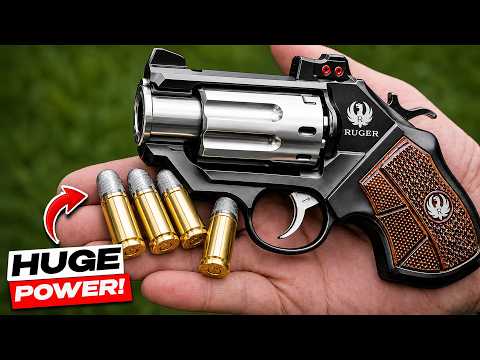
45 ACP vs 10mm: Unbelievable Difference On Barriers

Published on January 11, 2024
Duration: 10:21

This guide details a comprehensive barrier testing protocol comparing the 10mm Auto and .45 ACP calibers. The video, presented by Banana Ballistics Host, utilizes specialized equipment like digital calipers and Clear Ballistics gel to analyze penetration and wound cavity performance against various materials including lumber, sand, concrete, and steel. The expert assessment highlights the significant differences in performance, particularly in gel testing where the 10mm demonstrated deeper penetration and a larger wound channel.

Quick Summary

The 10mm Auto generally outperforms the .45 ACP in barrier penetration tests, demonstrating deeper penetration through materials like lumber and producing larger wound cavities in ballistic gel. While both calibers are effective, the 10mm's higher velocity and energy output contribute to its superior performance against various barriers, as shown in tests by Banana Ballistics Host.

Chapters

  1. 00:00Introduction: Caliber Comparison
  2. 00:24Round 1: Lumber Penetration
  3. 02:16Round 2: Sand Penetration
  4. 03:50Round 3: Concrete Paver Test
  5. 06:11Round 4: Steel & Tin Can Test
  6. 06:56Round 5: Ballistics Gel Test

Frequently Asked Questions

How does the 10mm Auto compare to the .45 ACP in barrier penetration tests?

In tests involving lumber, the 10mm Auto penetrated approximately 4.6 inches, significantly deeper than the .45 ACP's roughly 3 inches. In Clear Ballistics gel, the 10mm Federal HST over-penetrated a 16-inch block, while the .45 ACP Federal HST stopped at 12.5 inches, indicating the 10mm generally offers superior barrier performance.

What materials were used in the 45 ACP vs 10mm barrier testing?

The testing included 6x6 pressure-treated lumber, 3/4 inch plywood, 8 inches of sand, a 1.5-inch concrete paver with plywood backing, 1/8 inch mild steel, a tin can, and Clear Ballistics gel. This variety helps illustrate performance differences across diverse common barriers.

Which caliber produced a larger wound cavity in the gel test?

The 10mm Auto produced a larger wound cavity in the Clear Ballistics gel compared to the .45 ACP. This, combined with its deeper penetration, suggests greater energy transfer and tissue disruption potential for the 10mm in this specific self-defense ammunition test.

What are the key ballistic differences between the tested 10mm and .45 ACP loads?

The Federal HST 10mm Auto (200 grain) had a muzzle velocity of 1130 fps and 567 ft-lbs of energy, while the Federal HST .45 ACP (230 grain) had 890 fps and 404 ft-lbs. This highlights the 10mm's higher velocity and energy output.

Related News

All News →

More Tactical & Gear Videos You Might Like

More from Banana Ballistics

View all →