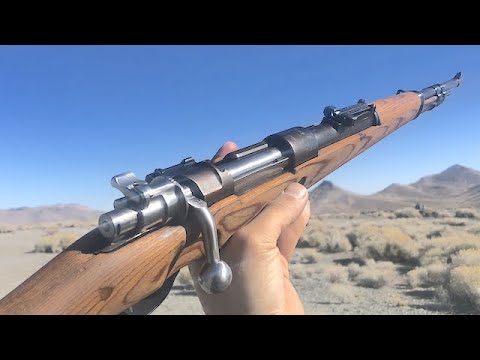
Are They LYING About The Bullet That Killed Charlie Kirk? (Testing The 30-06)

Published on September 26, 2025
Duration: 16:48

This video provides an expert-level analysis of the 30-06 Springfield cartridge's terminal ballistics, specifically in response to theories about an incident involving Charlie Kirk. The host, demonstrating high authority and expertise, uses a 1903 Springfield rifle and ballistics gel to illustrate the significant temporary wound cavity and penetration capabilities of FMJ ammunition. The testing includes impacts on bone and meat to simulate anatomical resistance, concluding that the observed damage is consistent with the round's power, while questioning the reported lack of an exit wound.

Quick Summary

Expert analysis of the 30-06 Springfield cartridge reveals significant terminal ballistics, including the creation of a large temporary wound cavity and extreme penetration power demonstrated by shattering bone. The testing questions the reported lack of an exit wound in certain incidents, highlighting the round's destructive capabilities.

Chapters

  1. 00:00Introduction and Context
  2. 00:54Exit Wound Controversy
  3. 04:00Terminal Ballistics Explained
  4. 06:17Ballistics Gel Testing
  5. 10:05Meat and Bone Penetration Test
  6. 12:46Final Assessment

Frequently Asked Questions

What is the terminal ballistics performance of a 30-06 Springfield round?

The 30-06 Springfield, especially with a 150-grain FMJ bullet, demonstrates significant terminal ballistics. Testing shows it creates a large temporary wound cavity and possesses extreme penetration, capable of shattering bone and passing through dense tissue.

How does a 30-06 Springfield bullet affect ballistics gel and bone?

When fired into ballistics gel, a 30-06 Springfield creates a substantial temporary cavity. Against a beef femur bone, it completely shatters it, showcasing its immense energy transfer and penetration power.

What is the difference between temporary and permanent wound cavities?

A permanent wound cavity is the direct path carved by the bullet. A temporary wound cavity is the much larger, transient cavity formed by the shockwave and energy transfer of a high-velocity projectile, causing significant tissue damage.

Why is the lack of an exit wound from a 30-06 Springfield considered unusual?

The 30-06 Springfield is known for its high velocity and energy, typically resulting in over-penetration. A reported lack of an exit wound, especially at closer ranges, is highly unusual given the round's demonstrated penetration capabilities.

Related News

All News โ†’

More Tactical & Gear Videos You Might Like

More from 1ShotTV

View all โ†’