Armed Robber No Match For Pharmacy Owner

Published on June 16, 2025
Duration: 9:12

This guide, based on analysis from Active Self Protection's John Correia, details critical lessons from a pharmacy owner's self-defense incident. It highlights the severe consequences of holster failure during a struggle and emphasizes the importance of reliable gear, effective shot placement with low-capacity firearms, and considering higher-capacity options for personal defense. The analysis underscores the need for robust training and equipment that can withstand extreme stress.

Quick Summary

Analysis from Active Self Protection reveals a critical holster failure during a pharmacy owner's self-defense against an armed robber. The low-quality holster detached, hindering weapon deployment. Key takeaways emphasize secure on-body carry, the necessity of vital hits with low-capacity firearms (.38 Special, .22 LR), and recommending higher-capacity options (9mm+) for improved self-defense effectiveness.

Chapters

  1. 00:00Introduction and Context
  2. 00:31Sponsor: Mantis Training Systems
  3. 00:57Incident Footage and Immediate Aftermath
  4. 03:08Holster Failure Analysis
  5. 05:13Firearm Capacity and Caliber
  6. 07:25Tactical Lessons and Recommendations

Frequently Asked Questions

What critical gear failure occurred during the pharmacy owner's self-defense incident?

The primary gear failure was the low-quality nylon holster detaching from the owner's belt during the draw. This significantly hindered their ability to effectively deploy and use their firearm against the armed robber.

What are the key tactical lessons from the pharmacy owner's encounter?

Key lessons include the paramount importance of secure holster retention, the need for vital hits when using low-capacity firearms, and the recommendation to consider higher-capacity handguns (9mm and above) for enhanced self-defense effectiveness.

How do Mantis training systems aid in skill development?

Mantis products like the X10 and Blackbeard are highlighted for their ability to help users efficiently and economically build handgun and carbine skills through features such as real-time tracking, recoil analysis, and auto-resetting triggers for dry fire practice.

What type of firearm was used by the pharmacy owner, and what are its limitations?

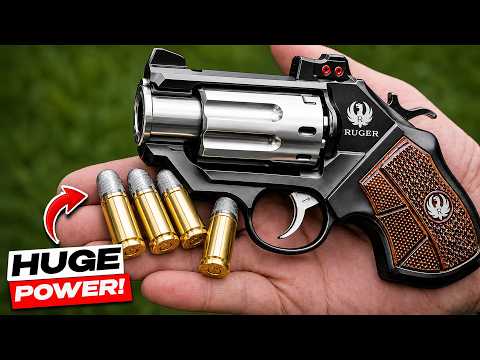
The owner used a small revolver, likely a 5 or 6-shot model chambered in .38 Special or .22 LR. Limitations include low capacity, requiring precise vital hits, and potential issues with retention if paired with inadequate holsters.

More Tactical & Gear Videos You Might Like

More from Active Self Protection

View all →