Capacete de impacto vs Capacete à prova de balas: qual protege mais?

Published on December 17, 2025
Duration: 1:18

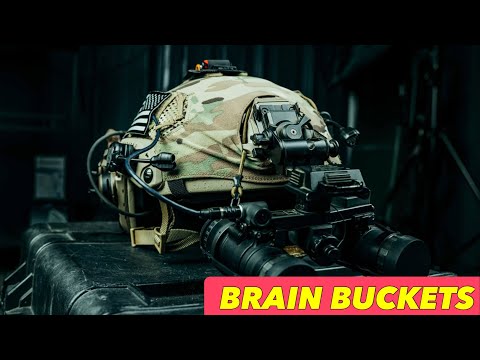
This video compares ballistic helmets versus impact (bump) helmets for tactical use. The speaker, demonstrating with an Armasite PBS 14 NVG system, highlights that while bump helmets are lighter and more comfortable for prolonged use, ballistic helmets offer significantly superior protection in combat scenarios, despite their increased weight and discomfort. The choice depends on the operational environment and threat level.


Quick Summary

Ballistic helmets offer superior protection against bullets and shrapnel, making them essential for combat. Bump helmets are lighter and more comfortable for prolonged use in low-threat environments or training, but do not stop projectiles. The choice depends on the operational threat level and need for comfort versus protection.

Chapters

  1. 00:00Introduction: Impact vs. Ballistic Helmets
  2. 00:07Defining 'Bulletproof' and Calibers
  3. 00:13Ballistic Helmet Weight for NVG Systems
  4. 00:17Armasite PBS 14 and Thermal Imaging
  5. 00:26Benefits of Thermal Imaging for Movement
  6. 00:30NVG Weight and Helmet Comfort
  7. 00:34Bump Helmet Characteristics
  8. 00:41Ballistic Helmet Performance in Combat
  9. 00:46Patrolling with Thermal Imaging
  10. 00:51Identifying Heat Signatures (Wildlife)
  11. 01:04Combat Gear Choice: Ballistic vs. Bump
  12. 01:09Conclusion: Protection vs. Comfort
  13. 01:11Daily Use of Bump Helmets

Frequently Asked Questions

What is the primary difference between a ballistic helmet and a bump helmet?

A ballistic helmet is designed to stop bullets and shrapnel, offering significant protection against ballistic threats. A bump helmet, conversely, is designed for impact resistance against blunt force trauma, such as from falls or collisions, but does not offer ballistic protection.

When is a bump helmet preferable to a ballistic helmet?

A bump helmet is preferable for prolonged use where comfort and reduced weight are paramount, such as during training exercises or low-threat environments. Its lighter construction minimizes fatigue, especially when carrying accessories like night vision devices.

How does thermal imaging enhance tactical operations?

Thermal imaging allows operators to detect heat signatures from living beings or active equipment from a distance, even in low-light or obscured conditions. This capability significantly improves situational awareness, threat detection, and movement effectiveness.

What are the trade-offs between ballistic and bump helmets for tactical use?

The main trade-off is protection versus weight and comfort. Ballistic helmets offer superior protection but are heavier and can be less comfortable for extended wear. Bump helmets are lighter and more comfortable but provide no ballistic protection, making them unsuitable for combat.

More Tactical & Gear Videos You Might Like

More from Tática Civil

View all →