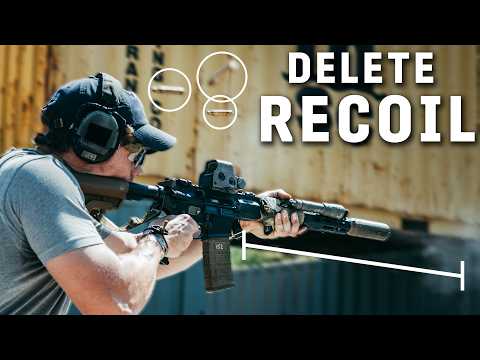
Enhance Your Shooting with Rifle Muzzle Devices

Published on October 9, 2023
Duration: 10:24

This video provides a comprehensive overview of rifle muzzle devices, explaining the distinct functions of flash hiders, muzzle brakes, and compensators. It details how each type manipulates expanding gases to achieve specific effects, such as reducing muzzle flash, mitigating recoil, or controlling muzzle rise. The instructor also covers linear compensators and specialized designs for suppressor compatibility.

Quick Summary

Rifle muzzle devices serve distinct purposes: flash hiders reduce muzzle flash, muzzle brakes mitigate recoil by redirecting gas horizontally, and compensators control muzzle rise by venting gas upwards. Linear compensators direct blast forward, reducing concussion for bystanders, often serving as a suppressor alternative.

Chapters

  1. 00:08Introduction to Muzzle Devices
  2. 00:35Dry Fire Mag Sponsor
  3. 01:15Understanding Flash Hiders (A1 & A2)
  4. 02:30Knight's Armament Suppressor Mount
  5. 03:41Muzzle Brakes Explained
  6. 04:51Muzzle Brake Trade-offs (Concussion)
  7. 05:25Compensators & Linear Compensators
  8. 06:06Linear Compensators vs. Suppressors
  9. 06:28Surefire Warden Blast Shield
  10. 06:46Linear Compensator Varieties
  11. 07:57SD Tactical Linear Compensator
  12. 09:01Home Defense 9mm with Linear Compensator
  13. 09:41Muzzle Device Summary
  14. 10:09Conclusion & Call to Action

Frequently Asked Questions

What is the primary function of a flash hider on a rifle?

A flash hider's main purpose is to reduce or eliminate the visible muzzle flash when a rifle is fired. It achieves this by dispersing the hot, expanding gases exiting the barrel before they can ignite in the open air, thus hiding the shooter's position and preventing temporary blindness.

How does a muzzle brake differ from a compensator?

A muzzle brake primarily reduces felt recoil by redirecting muzzle gases horizontally, pushing the firearm forward against the recoil impulse. A compensator, on the other hand, typically vents gases upwards to counteract muzzle rise, keeping the firearm's aim more stable during rapid fire.

What is a linear compensator and when is it used?

A linear compensator directs muzzle blast forward, away from the shooter and bystanders, significantly reducing concussion and noise directed backward. It's often used as an alternative to a suppressor when one is not feasible or legal, particularly for home defense or in situations where noise reduction for others is a priority.

What are the drawbacks of using a muzzle brake?

The main drawback of a muzzle brake is the significant increase in concussion and noise directed at the shooter and anyone nearby. While effective at reducing recoil, the intense blast can be unpleasant and even painful for bystanders, making them less ideal for casual range use without ear protection.

More Tactical & Gear Videos You Might Like

More from Tactical Hyve

View all →