Gear Considerations for Night Vision Training | Ft. Brandon W.

Published on October 9, 2024
Duration: 29:08

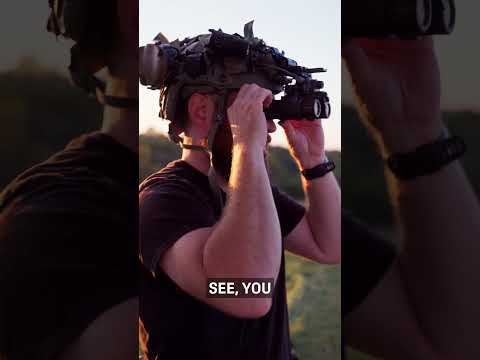
This video details essential gear considerations for night vision training, covering rifle, pistol, and helmet setups. It emphasizes the importance of balanced helmet configurations, appropriate laser and illumination devices, and reliable night vision units like RNVG Alphas. The presenter also highlights crucial supporting equipment such as extra batteries, maintenance tools, and personal protective gear for effective and safe night operations.


Quick Summary

For night vision training, prioritize a balanced helmet setup with a counterweight, a suppressed rifle equipped with a laser aiming device and IR illuminator, and comfortable NVGs like RNVG Alphas. Essential supporting gear includes extra batteries, lubricants, and personal protective equipment for effective low-light operations.

Chapters

  1. 00:00Introduction to Night Vision Course
  2. 00:22Gear Considerations Overview
  3. 02:27Nylon Goods: Ready Rig Setup
  4. 06:18Belt Setup for Training
  5. 07:50Rifle Setup for Night Vision
  6. 11:42Secondary Rifle Upper
  7. 14:00Pistol Setup for Night Vision
  8. 15:10Helmet Setup Essentials
  9. 19:54Night Vision Device Selection
  10. 23:31Additional Supporting Equipment
  11. 28:27Packing and Transport

Frequently Asked Questions

What are the key gear considerations for night vision training?

Essential gear includes a comfortable and balanced helmet setup with NVG mount and counterweight, a properly configured rifle with laser aiming devices and weapon lights, and a pistol with a red dot and tactical light. Supporting items like extra batteries, lubricants, and personal protective equipment are also crucial.

Which night vision devices are recommended for training?

For training, RNVG Alphas are highly recommended due to their lightweight design, articulation for easy stowing, and overall comfort. While RPNVGs offer a wider field of view, they are heavier and less streamlined.

How should a rifle be set up for night vision operations?

A rifle for night vision should be suppressed to minimize flash and sound. It needs a laser aiming device (like a DBAL A2/A3) for aiming and an IR illuminator. A weapon-mounted light, preferably with IR capability, is also essential.

What makes a helmet setup suitable for night vision?

A good helmet setup prioritizes balance and comfort. This typically involves a stable NVG mount, a battery pack serving as a counterweight at the rear, and comfortable, integrated ear protection. Keeping the setup streamlined reduces snagging hazards.

Related News

All News →

More Tactical & Gear Videos You Might Like

More from TREX ARMORY

View all →