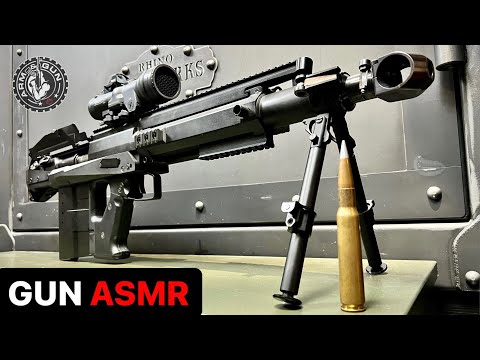
GM6 Lynx VS Mud | Visualizing Terminal Ballistics

Published on March 30, 2020
Duration: 9:08

This video visualizes terminal ballistics by firing various calibers into shallow water and mud. The presenter, demonstrating expertise in firearms, showcases the impact effects of .22LR, 9mm, .44 Magnum, 5.56x45mm, .308 Winchester, 12 Gauge, and 50 BMG. The experiment highlights how bullet weight, velocity, and construction influence terminal performance and water interaction, with particular emphasis on the dramatic effects of the 50 BMG round.

Quick Summary

Shooting bullets into shallow water and mud is an effective way to visualize terminal ballistics. The water acts as a safe medium to stop projectiles, preventing dangerous ricochets, and clearly shows the impact energy, fragmentation, and expansion characteristics of different rounds.

Chapters

  1. 00:04Introduction: GM6 Lynx and Water Ballistics
  2. 00:47Starting with .22 Long Rifle
  3. 01:57Testing 9mm Ammunition
  4. 02:34Impact of .44 Magnum
  5. 03:185.56x45mm Terminal Effects
  6. 03:54Testing .308 Winchester (7.62x51mm)
  7. 04:5612 Gauge Shotgun Impact
  8. 05:34The Power of 50 BMG in Water
  9. 06:34Slow Motion 50 BMG Impact
  10. 07:07Post-Test Reflections and Future Content
  11. 08:09Additional 5.56mm Slow Motion

Frequently Asked Questions

What is the purpose of shooting bullets into water for terminal ballistics testing?

Shooting bullets into shallow water and mud is an effective way to visualize terminal ballistics. The water acts as a safe medium to stop projectiles, preventing dangerous ricochets, and clearly shows the impact energy, fragmentation, and expansion characteristics of different rounds.

Which calibers were tested in the water ballistics experiment?

The experiment tested a range of calibers including .22 Long Rifle, 9mm, .44 Magnum, 5.56x45mm, .308 Winchester (7.62x51mm), 12 Gauge shotgun, and the powerful 50 BMG.

How does the 50 BMG perform when impacting water compared to smaller calibers?

The 50 BMG round, with its large projectile mass and high velocity, creates an exceptionally dramatic and explosive impact in water, generating a significant crater and massive water displacement, far exceeding the effects of smaller calibers.

What factors influence bullet performance in terminal ballistics tests?

Key factors influencing bullet performance in terminal ballistics include bullet weight, velocity, construction (e.g., full metal jacket, metal core), and the medium being impacted. These elements determine how a bullet fragments, expands, or penetrates.

More Tactical & Gear Videos You Might Like

More from Arm&Gun

View all →