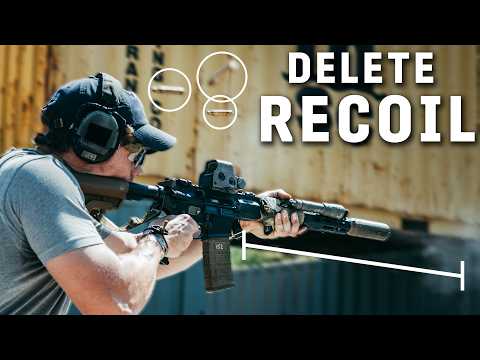
I Hate Flow-Through Suppressors

Published on April 15, 2026
Duration: 11:47

The VSO Gun Channel argues that flow-through suppressors are a net negative for the commercial market, often marketed as superior but failing to deliver maximum sound suppression. While beneficial for specific military applications requiring unimpeded firearm operation, they are generally louder and less effective for typical civilian use compared to traditional 'max suppression' designs. The speaker advises consumers to understand their specific needs before purchasing.


Quick Summary

Flow-through suppressors are often a net negative for the commercial market, according to the VSO Gun Channel. While designed for military applications prioritizing firearm operation, they typically offer less sound suppression than traditional designs. Consumers seeking maximum quietness are advised to opt for 'max suppression' designs, as flow-throughs are best suited for niche uses like full-auto fire or difficult-to-adjust gas systems.

Chapters

  1. 00:00Unpopular Opinion: Flow-Through Suppressors
  2. 00:31Flow-Through Suppressors: A Net Negative?
  3. 01:40Sponsor: Fat Tac Holsters
  4. 02:24No Financial Incentive for This Review
  5. 03:16Types of Rifle Suppressors
  6. 03:44Max Suppression Design Explained
  7. 04:30K Cans: Compact Suppression
  8. 05:28Flow-Through Design Explained
  9. 06:38Translating Flow-Through Marketing
  10. 07:17Origin of Flow-Through Technology
  11. 08:09Commercial Market vs. Military Needs
  12. 08:53Frustration with Marketing Hocus Pocus
  13. 09:35Sound Signature Performance Lacking
  14. 10:02Caveat: Full Auto & Visibility
  15. 10:25Use Case for Flow-Through Suppressors
  16. 11:15Narrower Use Case Than Marketed
  17. 11:22Don't Get Turned Over a Barrel

Frequently Asked Questions

What is the main criticism of flow-through suppressors for the commercial market?

The primary criticism is that flow-through suppressors are often marketed as superior but are a net negative for the commercial market. They tend to be louder than traditional 'max suppression' designs and are better suited for specific military applications where unimpeded firearm operation is critical, rather than general civilian use.

What are the benefits of traditional 'max suppression' suppressor designs?

Traditional 'max suppression' designs aim to maximize sound signature suppression, flash suppression, and recoil reduction by capturing, slowing, and cooling expanding gases. They often also contribute to increased accuracy, making them ideal for most commercial and recreational shooting applications.

When might a flow-through suppressor be a suitable choice?

Flow-through suppressors can be beneficial for specific niche applications, such as gas-operated fully automatic weapons where maintaining visibility after sustained firing is crucial, or for firearms with non-adjustable gas systems where modifying the gas block is difficult or impractical.

Why does the speaker believe flow-through suppressors are often a poor choice for consumers?

The speaker believes many consumers are misled by marketing, purchasing flow-through suppressors that don't meet their primary needs for sound reduction. The technology's origin in military applications, where operational reliability trumps absolute quietness, doesn't translate well to the hobbyist or recreational shooter's priorities.

Related News

All News →

More Tactical & Gear Videos You Might Like

More from The VSO Gun Channel

View all →